
Last updated November 21, 2026
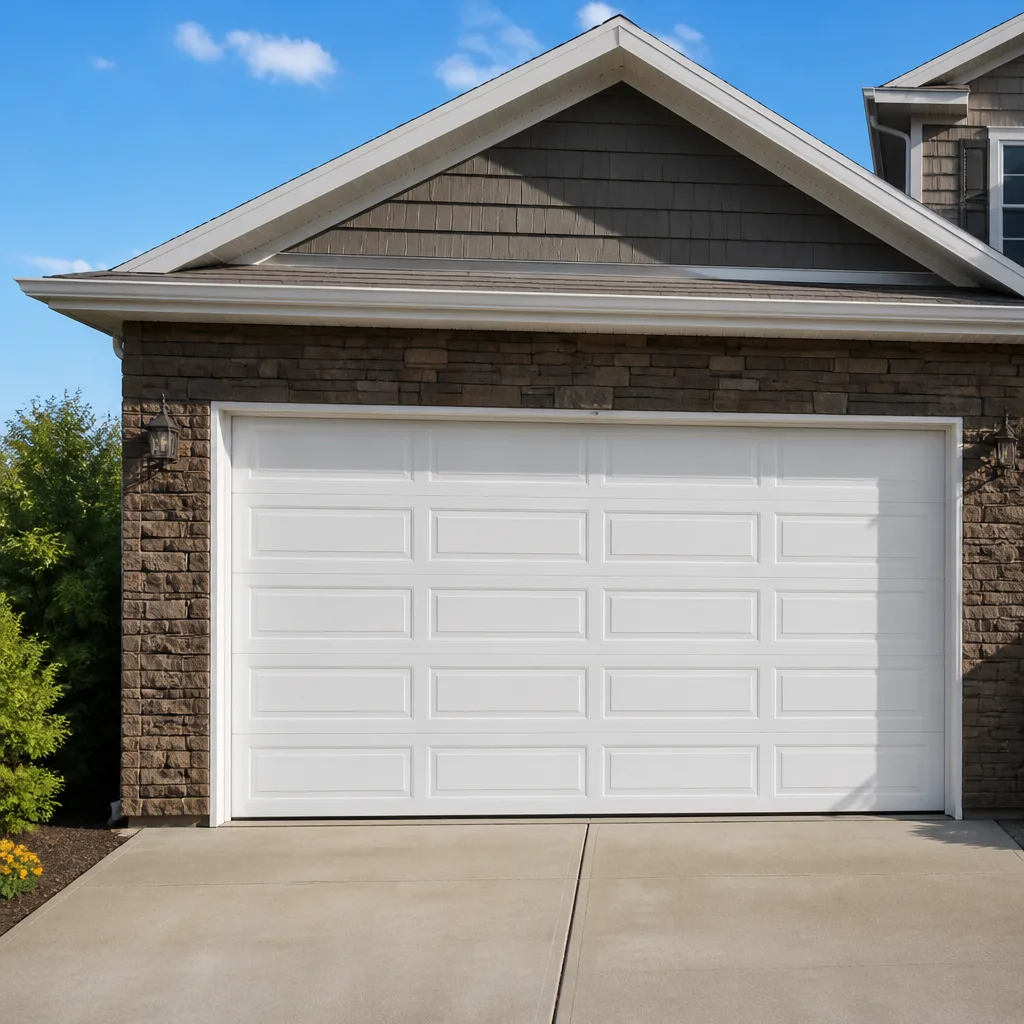 Raised-panel steel
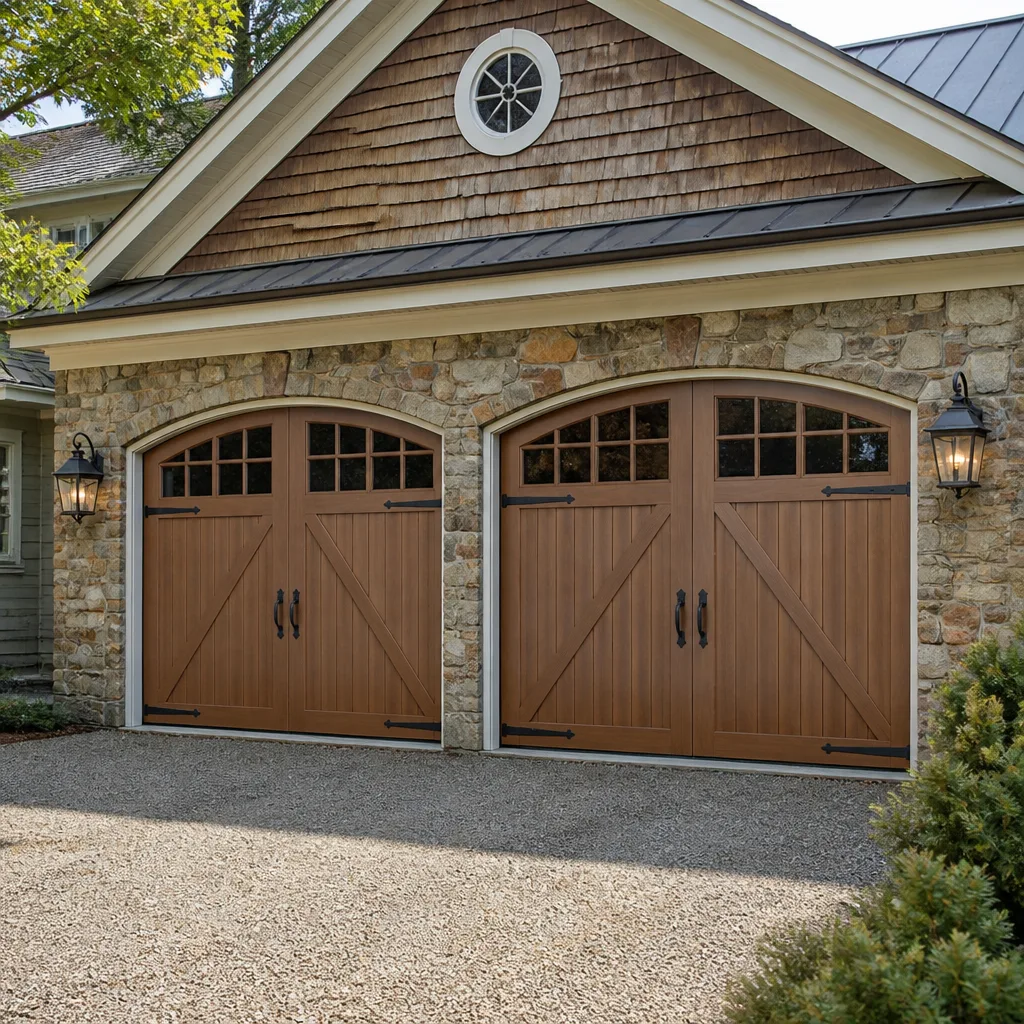 Carriage house
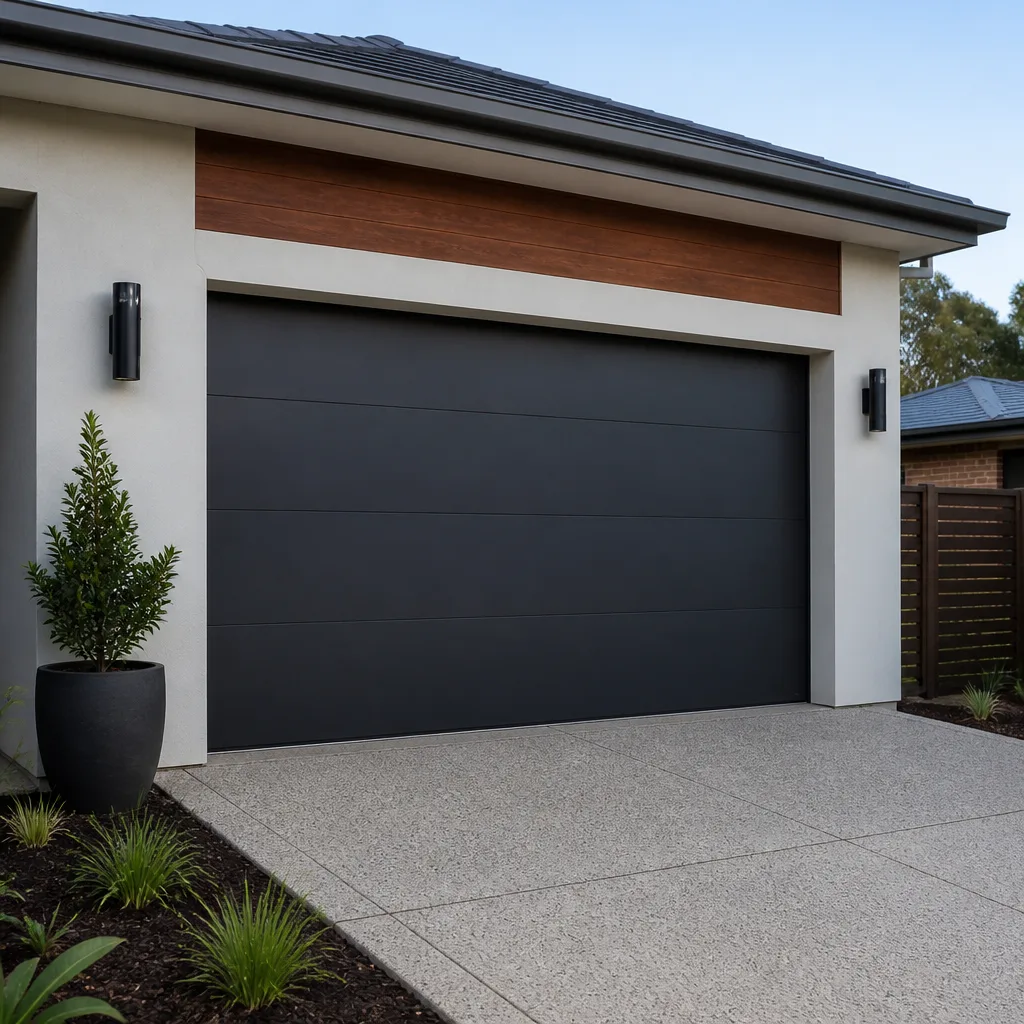 Modern flush
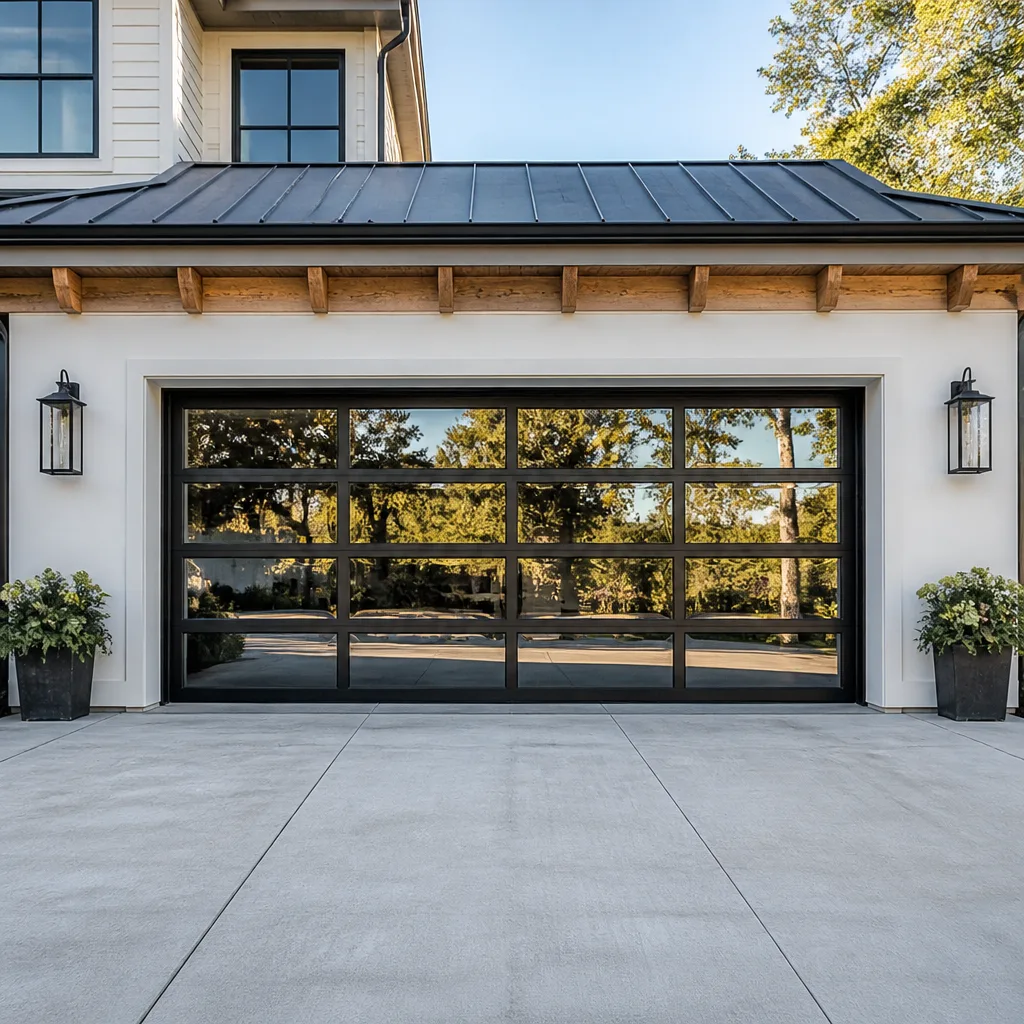 Full-view glass
 LiftMaster openers
 Chamberlain openers
Full 25-point door and opener safety check with every visit - springs, cables, rollers, tracks, and your LiftMaster or Chamberlain opener included
You get a price before we start. It does not change when the pro arrives.
Get your free estimateThe Complete Guide to Garage Doors in Aurora
Most Aurora homeowners discover their garage door was under-specified for Illinois winters only after a torsion spring snaps at 6 a.m. in January. That single failure is the most preventable service call in the region, and it almost always traces back to a door, opener, or set of hardware chosen for a milder climate than the one sitting outside the kitchen window. Aurora weather doesn’t just test a garage door; it works on it daily, through freeze-thaw cycles, summer humidity that swells wood and stresses seals, and winter wind chills that punish every moving part. This guide maps each major decision you’ll face, from material and insulation to opener torque and hardware gauge, to what Aurora conditions actually demand.
Quick Answer
A garage door built for Aurora needs three things above all: an insulated steel door rated for a cold-climate attached garage, a torsion spring system matched to the door’s real weight rather than a generic spec, and an opener with enough torque and a drive type suited to a two-car door facing winter wind load. Bottom seals and tracks wear fastest here because of repeated freeze-thaw movement, so they need inspection every season. Get those three right and you avoid the January spring failure that catches so many homeowners off guard.
Styles & brands we work with
- Raised-panel steel
- Carriage house
- Modern flush
- Full-view glass
- LiftMaster openers
- Chamberlain openers
Table of Contents
- How Aurora’s freeze-thaw cycle wears out your door
- Insulation R-value: attached vs. detached garages
- Matching opener horsepower and drive type to your door
- Material longevity in Aurora’s climate
- The eight major brands and local parts availability
- Hardware gauge, springs, and what actually fails
- A seasonal maintenance checklist for Aurora
- What garage door work costs in Aurora
How Aurora’s freeze-thaw cycle wears out your door
Aurora sits in a climate where the temperature crosses the freezing mark repeatedly through winter, and that cycle is harder on a garage door than steady cold ever is. Water gets into a seam, a track channel, or the gap under the bottom seal, freezes, expands, and then melts. Every one of those cycles nudges hardware a little out of alignment and works grit into places it doesn’t belong. National specs are often written for milder averages, so a door that measures fine on paper can still wear ahead of schedule here.
The parts that suffer most are the ones in contact with the ground and the ones that carry load:
- Bottom seals harden, crack, and lose their seal as they flex through repeated freeze-thaw, letting cold air and moisture into the garage.
- Tracks collect grit and ice in the channel, and the door rollers start to bind rather than roll.
- Hinges and rollers corrode faster when moisture sits in them, and a stiff roller puts extra strain on the opener.
- Torsion springs cycle every time the door opens and closes, and cold makes the steel less forgiving. A spring that’s near the end of its life tends to go in the coldest stretch of the year.
None of this means an Aurora door is doomed. It means the inspection schedule that works in a mild climate is too relaxed here. Checking seals, tracks, and spring tension at the start of winter and again as spring arrives catches most of these problems while they’re still cheap to fix. When a spring does fail or a track bends, our garage door repair work starts with the hardware your door actually uses, not a generic parts kit.
Insulation R-value: attached vs. detached garages
Insulation is where Aurora homeowners overspend or underspend most often, because the right answer depends entirely on what’s above and beside the garage. An attached garage shares walls and often a ceiling with living space, so it acts as a buffer between your home and the outside. A detached garage is its own building, and insulating its door does far less for your energy bill. Getting this distinction right saves money and gets you a door that performs the way you expect.
Here’s how the two situations compare in practice:
- Attached garage, room above it: This is where insulation earns its keep. A well-insulated door reduces heat loss through the shared wall and keeps the space above it warmer in winter. Look for a door with a solid insulating core and a thermal break, not just a thin facing.
- Attached garage, no room above: Insulation still helps with comfort and with protecting anything stored in the garage, but the energy payoff is smaller. A moderate R-value is usually the sensible choice.
- Detached garage: Insulation mainly protects the space from temperature swings and condensation. It’s worth having if you work out there or store temperature-sensitive items, but it won’t change your home’s heating bill much.
One Aurora-specific note: humidity swings matter as much as cold. A garage that stays cold and damp through winter and then warms quickly in spring is a breeding ground for condensation on metal and swelling in wood components. A door with a proper insulating core and tight seals keeps that swing under control. If you’re weighing a new door against patching an old one, it helps to understand how the whole system fits together first; our Garage Door Repair Aurora Pros overview covers the full range of work a specialist handles.
Matching opener horsepower and drive type to your door
Opener shopping goes wrong when homeowners pick horsepower first and ask about the door second. The opener’s job is to lift a specific weight against a specific resistance, and in Aurora that resistance includes a heavier insulated door and winter wind pressing on the panels. An opener sized for a light door in a mild climate will strain, run hot, and fail early when it’s asked to move a heavier door through a cold winter. Match the opener to the door, and the whole system lasts longer.
Two-car doors are the norm in Aurora, and they typically need more lifting capacity than a single-car door. Here’s how to think about it:
- Weigh the door, don’t guess. An insulated steel two-car door weighs meaningfully more than an uninsulated one. The opener’s capacity has to clear that weight with margin, especially in cold weather when springs and rollers add resistance.
- Choose the drive type for your garage’s position. Belt drives run quiet, which matters if there’s a bedroom above an attached garage. Chain drives are rugged and a common choice where noise isn’t a concern. Screw drives are strong and low-maintenance but louder.
- Account for wind load. A door facing open ground takes more wind than one sheltered by a fence or neighboring structure. A door that flexes in the wind needs a stiffer opener and a well-braced door, not just more horsepower.
- Plan for smart features. If you want Wi-Fi control or app monitoring, pick a brand with a mature ecosystem. LiftMaster and Chamberlain both build connected openers that pair cleanly with phone apps and home automation.
When an opener acts up, the fix is usually in the electronics, the sensors, or the travel limits rather than the motor itself. Our garage door opener repair work covers the two smart-home-integrated brands most Aurora homes have, so diagnosis starts from a known platform rather than a guess.
Material longevity in Aurora’s climate
Material choice is the decision that most shapes how a door ages in Aurora. Each material handles cold, moisture, and humidity swings differently, and the longest-lasting choice isn’t always the most expensive one. What matters is matching the material to the conditions it will actually face, and being honest about the trade-offs each option carries here.
- Steel: The workhorse for Aurora homes. Steel handles cold well and holds up to humidity swings if the finish stays intact. Gauge matters: a heavier gauge resists dents and flexing, which is exactly what a wind-loaded door needs. Keep an eye on the bottom edge and any scratches, since that’s where moisture starts to work on the paint.
- Fiberglass: Lighter than steel and won’t rust, which suits a damp garage. It’s more prone to cracking under impact and doesn’t insulate as well, so it’s a better fit for a detached garage than a heated attached one.
- Wood composite: Offers a warm look and takes paint or stain well. The catch is moisture, since wood moves with humidity swings and needs its finish maintained to keep from swelling or checking. In Aurora’s wet-to-dry spring, a neglected wood door shows wear faster than a steel one.
- Aluminum: Light and rust-resistant, good where weight is a concern, but it dents more easily and insulates less than steel.
Road exposure is an Aurora factor that generic guides skip. Roads here get treated through winter, and the spray that lands on a door, especially a door facing the street, speeds up corrosion on painted steel and on any exposed hardware. Rinsing the door and wiping down hinges and rollers after the worst of the season is a small habit that pays off. Rust-resistant finishes and heavier gauge steel are worth the upgrade on a street-facing door.
The eight major brands and local parts availability
Brand familiarity matters more than homeowners expect, because the door and opener brands sold in Aurora each have their own parts ecosystem, and some parts are easier to get locally than others. A technician who already knows the platform diagnoses faster and knows which replacement components are on a shelf nearby versus which have to be ordered. That difference is often the gap between a quick fix and a door that’s stuck open for a week.
We work with eight major manufacturer lines, and knowing them well changes how a job goes:
- Clopay and Amarr are among the most common door lines in Aurora homes, which means panels and hardware for them are generally easy to source locally.
- Wayne Dalton and Raynor cover a wide range of door styles. Some specialty and older components run on longer lead times, so it pays to identify the model early.
- LiftMaster and Chamberlain dominate the smart-home opener market. Their parts are broadly available, and their app ecosystems are well supported.
- Genie and Craftsman openers are common on older installs. Parts are generally obtainable, though some legacy models take more digging.
The practical lesson: when a door or opener needs a part, the model number and brand on the unit tell a technician what’s realistic on timing. Panels, springs, and openers for the most common brands move fast. Specialty glass, custom colors, and discontinued hardware take longer, so a measured, written quote up front matters more than a promise made on the phone. If you’re unsure what you have, a technician can identify the system before any work starts.
Hardware gauge, springs, and what actually fails
Most garage door failures in Aurora trace back to a handful of components, and understanding them helps you spot trouble early and know when to stop and call. Springs and cables are the parts that deserve the most respect. A torsion spring is under heavy tension even when the door is down, and a cable under load can cause serious injury if it’s handled wrong. This is not a repair to attempt at home, and any guide that walks you through releasing spring tension is giving dangerous advice. Leave springs and cables to trained technicians.
What actually fails on an Aurora door, roughly in order of how often we see it:
- Torsion springs: Every open and close counts as one cycle, and springs are rated for a finite number. Cold accelerates the end. A snapped spring leaves the door too heavy to lift safely by hand.
- Bottom seals and weatherstripping: The first thing to fail in a freeze-thaw climate, and the cheapest to replace. A worn seal lets in cold, moisture, and pests.
- Rollers and hinges: Grit, ice, and corrosion stiffen them, which strains the opener and makes the door noisy and jerky.
- Openers and sensors: Electronics, safety sensors, and travel limits account for plenty of calls. Sensor misalignment is a common reason a door won’t close.
- Tracks and panels: Impact from a bumped car or a wind gust can bend a track or dent a panel, throwing the door out of alignment.
Spring work is genuinely high-risk, which is why it’s a dedicated service rather than something folded into general handyman work. Our garage door spring repair focuses on matching the replacement to the door’s true weight and counterbalance, so the new spring lasts its full rated life instead of failing early. Heavier gauge hardware and quality rollers cut down on the failures that send a door out of alignment.
A seasonal maintenance checklist for Aurora
Aurora’s climate rewards a light maintenance routine twice a year, once before winter and once in spring. The goal isn’t to turn you into a technician; it’s to catch the cheap problems before they become expensive ones. Anything involving springs or cables gets a look, not a touch.
- Inspect the bottom seal. Look for cracks, gaps, and hardening. A seal that’s lost its flexibility is letting in moisture and cold, and replacing it early prevents track and hardware wear downstream.
- Wipe down and lubricate. Clean the tracks of grit, then lubricate hinges, rollers, and the torsion bar with a garage-door-rated lubricant. This is especially important after winter road treatment.
- Test the balance. With the door closed, disconnect the opener and lift the door partway by hand. It should stay put with little effort. One that drops or feels heavy signals a spring or balance problem for a professional to check.
- Check the safety sensors. Make sure the sensors at the bottom of the tracks are aligned and the indicator lights are steady. A door that closes then reverses is usually a sensor issue.
- Look at springs and cables without touching. Note any visible gaps in a spring or fraying on a cable, and call a professional. Never try to adjust or release tension yourself.
- Rinse the door and hardware. A rinse after winter clears road spray before it starts corrosion, particularly on a street-facing door.
Two of these checks a year catch most of what Aurora throws at a door. The rest is knowing when a symptom calls for a technician rather than a tightening.
What garage door work costs in Aurora
Garage door pricing in Aurora depends on the part, the door’s weight, and the brand, which is why a written estimate beats a phone quote every time. The ranges below are typical for the area and meant to orient you; the price is set per job by the written estimate, agreed before any work starts. A spring price is per spring, and a matched pair is usually replaced together, so a pair runs about twice the single-spring figure.
| Job | Typical Aurora range |
|---|---|
| Single torsion spring replacement | $180-$340 per spring |
| Matched spring pair | Roughly double the single-spring figure |
| Bottom seal replacement | Quoted per job by written estimate |
| Opener repair | Quoted per job by written estimate |
| New garage door installation | Quoted per job by written estimate |
The biggest fear after the breakdown is an invoice bigger than the quote. We set the price with a written estimate and agree it before any work begins, so what you approve is what you pay. For a new door, the process starts with a free measure and a written price rather than a same-day promise, since a new door has to be measured and ordered. Our technicians have up to 11 years of experience, and the local pro we connect you with is licensed and insured as the state requires. Call (855) 337-1088 for a free estimate.
Common Mistakes to Avoid
- Buying an opener before checking the door’s weight. An opener that’s undersized for a heavy insulated door strains and fails early. Match horsepower and drive type to the door and the wind load first.
- Treating an attached and detached garage the same. Insulation that pays off in a heated attached garage may do little for a detached one. Decide what you actually need before you buy.
- Ignoring the bottom seal. It’s the cheapest part on the door and the first to fail here. A worn seal lets moisture in and wears out the tracks and hardware behind it.
- Attempting a spring or cable repair yourself. Springs and cables carry dangerous tension and can cause serious injury. This is a job for trained technicians, full stop.
- Choosing a door without checking the brand’s parts availability. A beautiful door with hard-to-source parts can sit open for days waiting on a component. Ask about local availability before you commit.
- Skipping the seasonal check. Winter is when tired springs and stiff rollers fail. A quick inspection before winter catches most of it while it’s still minor.
- Accepting a phone quote without a written estimate. Prices depend on the specific door and issue. Get the number in writing and agree to it before work begins.
See the difference
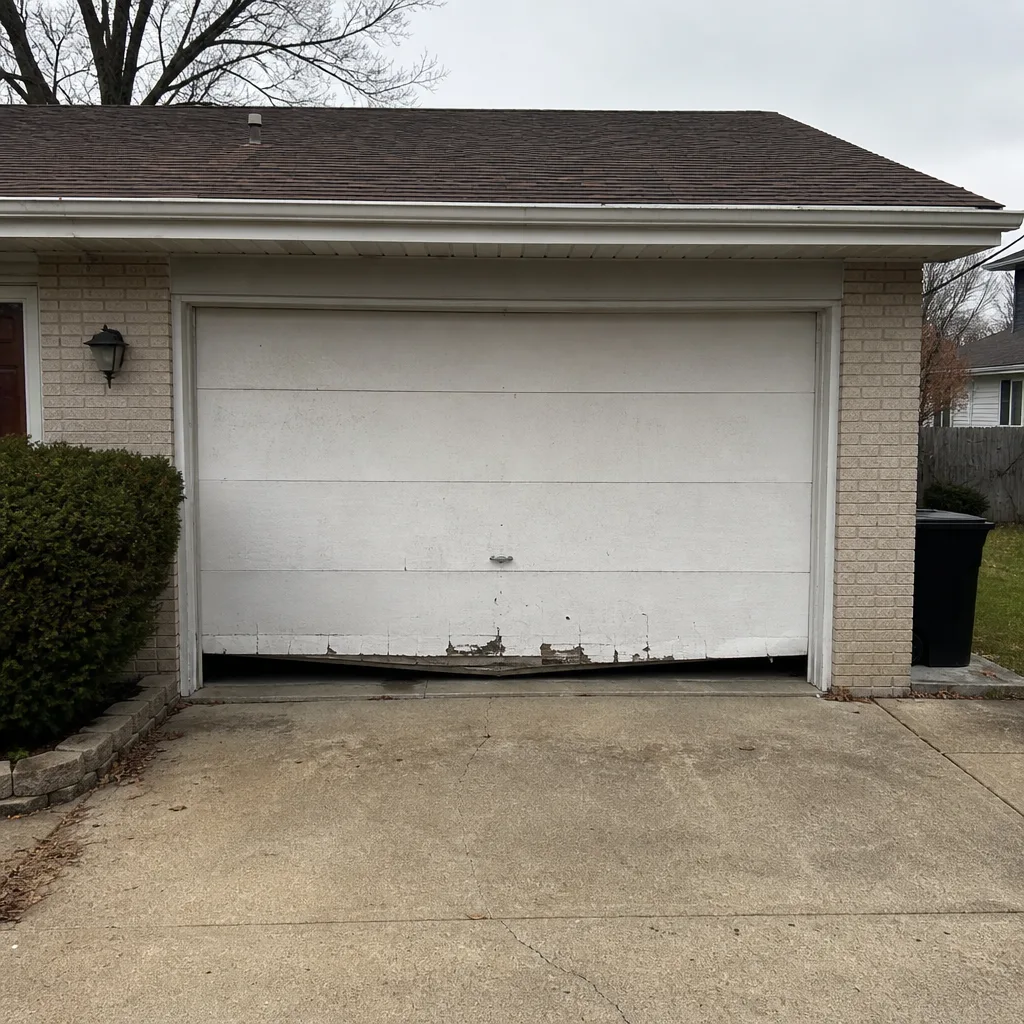 Before
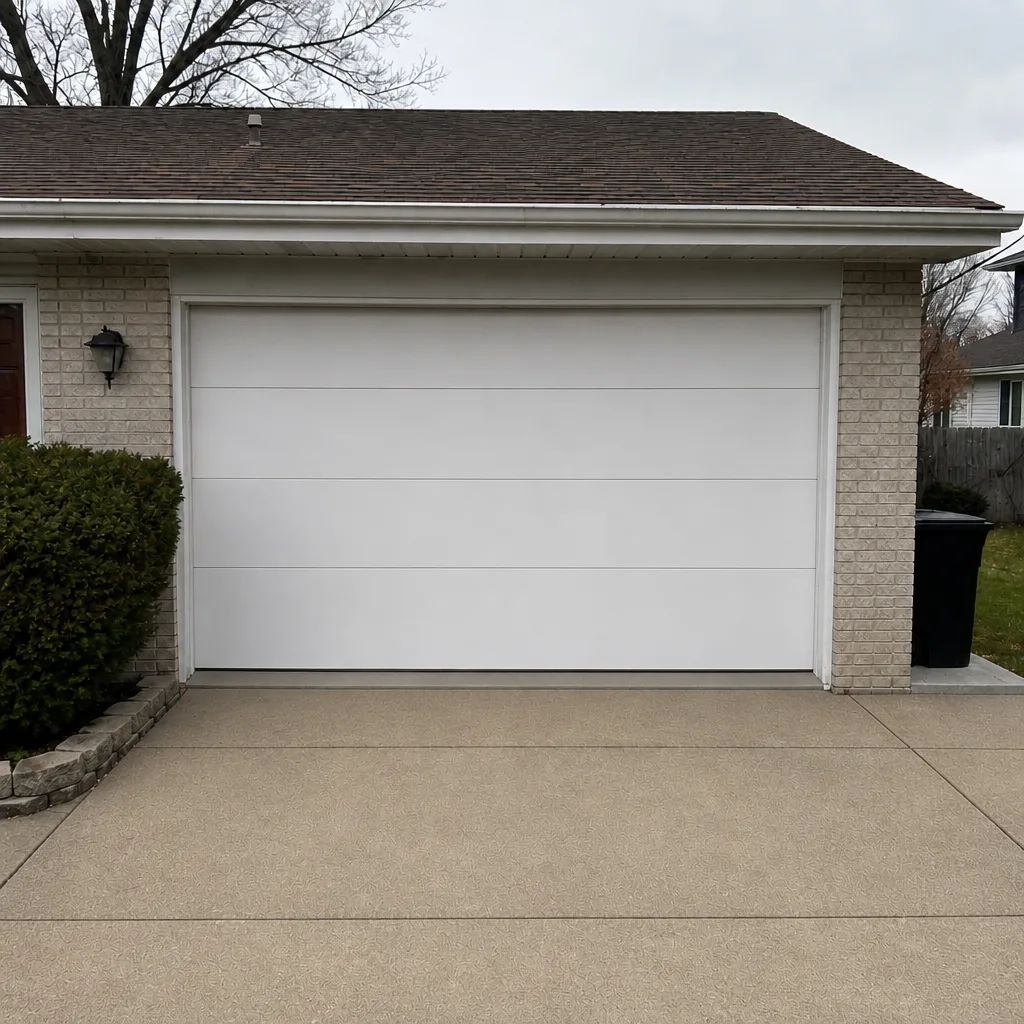 After
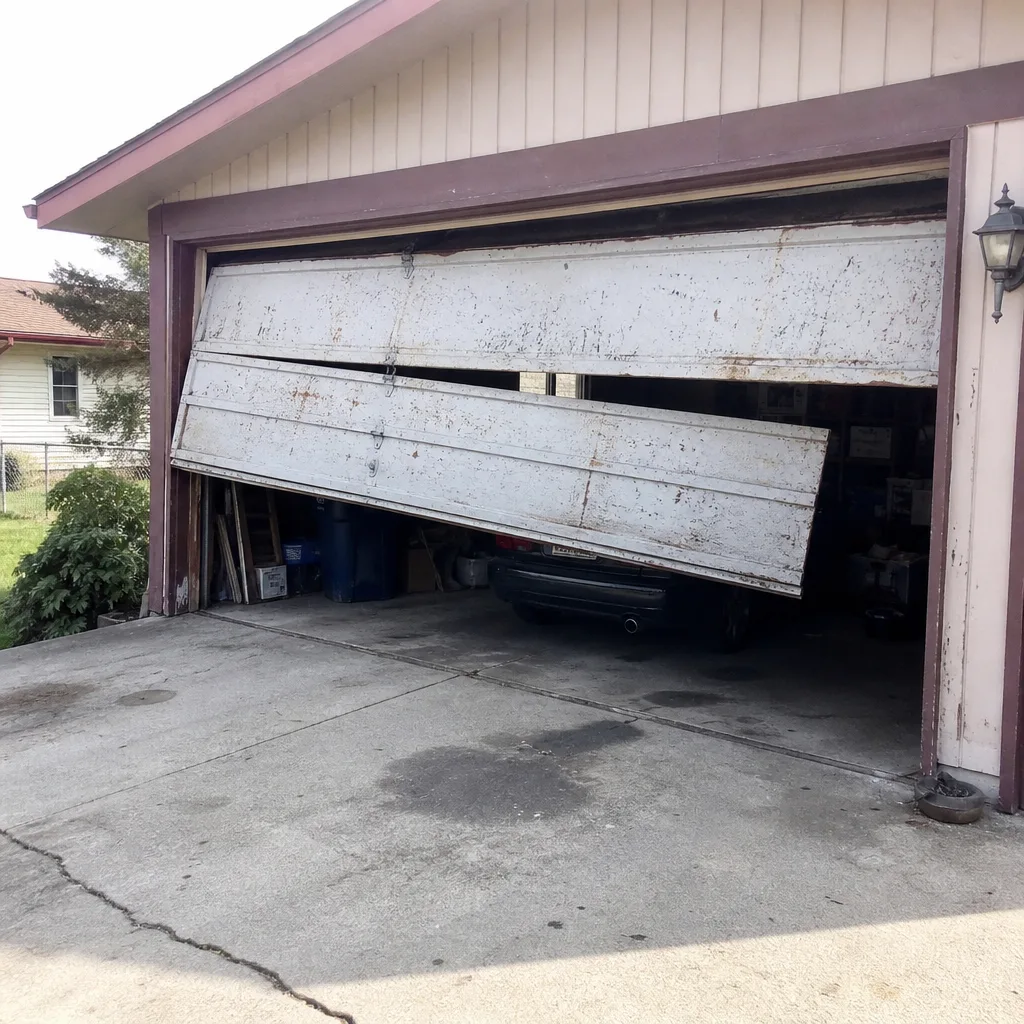 Before
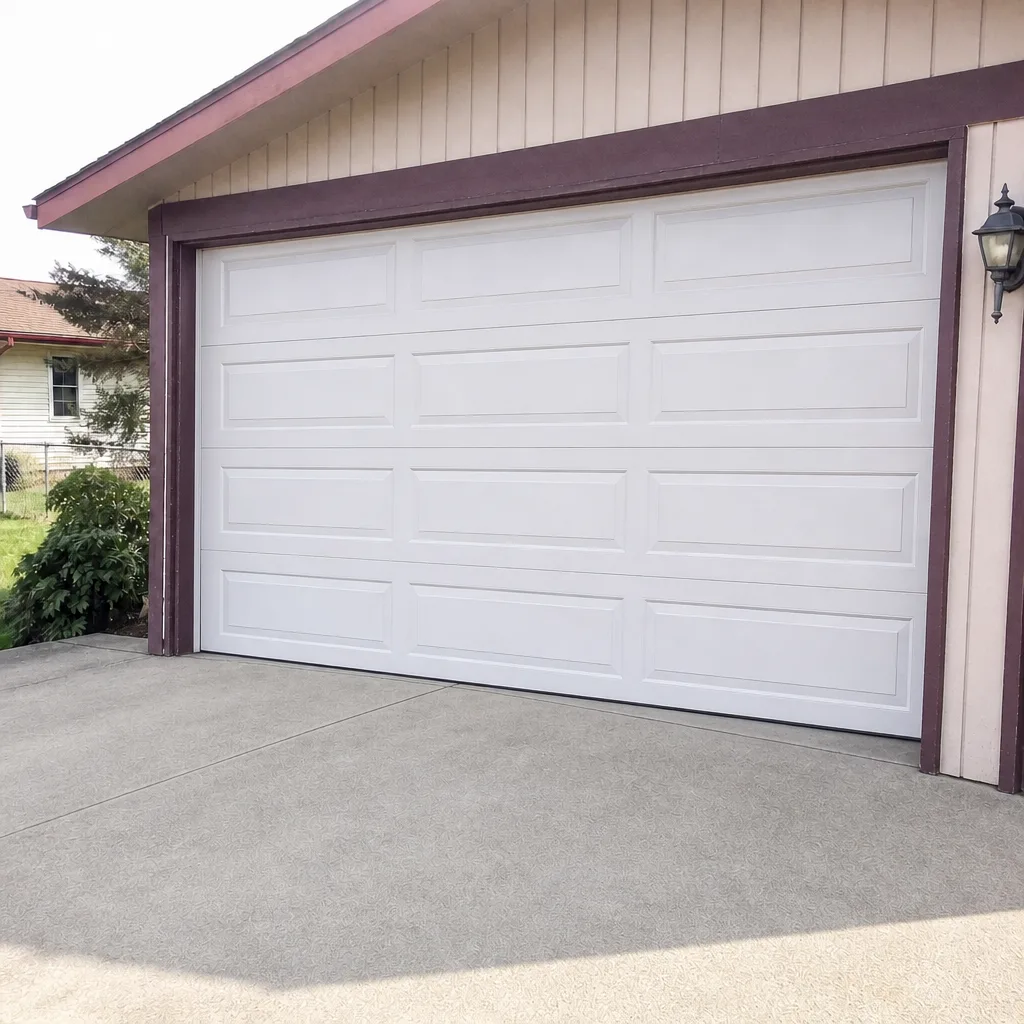 After
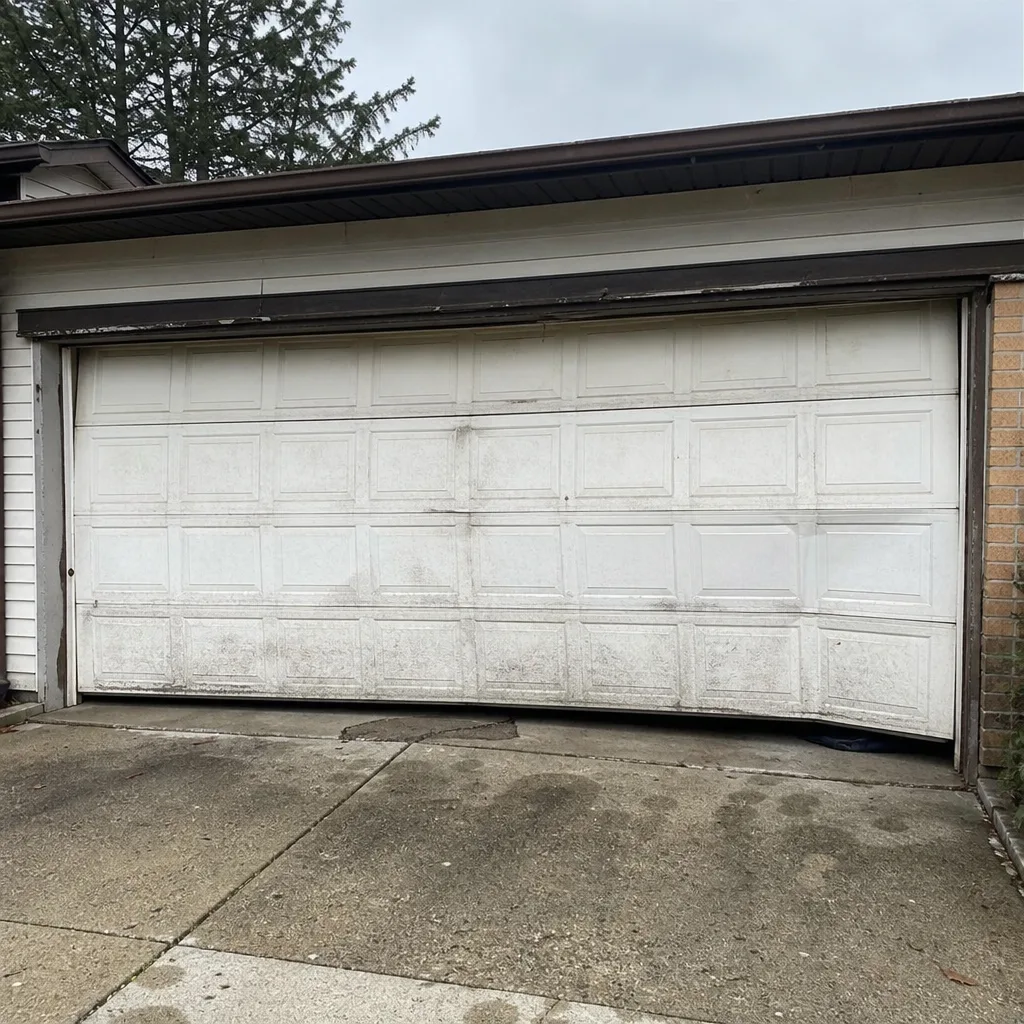 Before
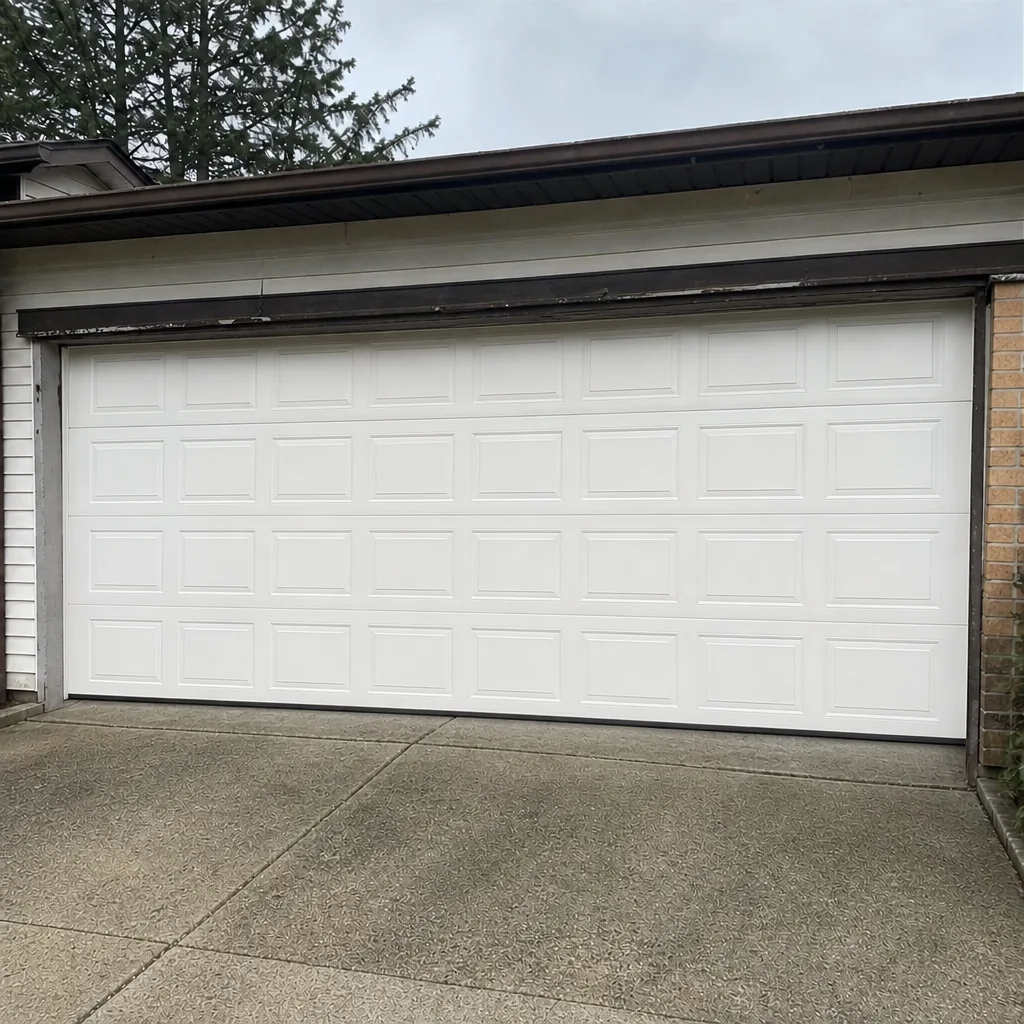 After
When to Call a Professional
Some garage door problems are simple checks you can do yourself: a misaligned sensor, a track that’s collected grit, a noisy roller that needs lubricant. Others need a trained technician, and trying to handle them at home risks injury or makes the damage worse. Call a professional when a spring has snapped or looks gapped, when a cable is frayed or slack, when the door drops or feels heavy on the balance test, when it’s come off its tracks or is visibly out of alignment, or when an opener runs but the door won’t move. Those point to problems in the load-bearing parts that should only be handled by someone who knows the system. Garage Door Repair Aurora Pros offers free estimates in Aurora. Call (855) 337-1088. We answer 24/7. Fast dispatch from 7am to 7pm, Sunday through Friday. Same-day service is available when the door can’t wait, and for an opener that won’t respond, our team knows your brand before touching it.
Frequently Asked Questions
Single torsion spring replacement in Aurora typically runs $180-$340 per spring, and a matched pair is usually replaced together, so a pair costs about twice the single-spring figure. The written estimate sets the final price, so you’ll know the number before any work starts. Call (855) 337-1088 for a free estimate.
We aim to help same day when a door won’t close, since a garage that won’t secure is an urgent problem. Emergency service is a core part of what we do, not an afterthought. We answer 24/7, and fast dispatch runs from 7am to 7pm, Sunday through Friday; a call outside those hours is booked into the next opening. Call (855) 337-1088.
The price is set by a written estimate that we agree with you before any work begins, so the figure you approve is what you pay. If a job turns out to need more than the initial diagnosis suggested, we tell you and get your go-ahead before continuing. Call (855) 337-1088 for an exact quote; estimates are free.
Yes. The local professional we connect you with is licensed and insured as the state requires, and our technicians have up to 11 years of experience. We work across eight major door and opener brands, including LiftMaster, Chamberlain, Genie, and Clopay, so diagnosis starts from a known platform. Call (855) 337-1088.
Springs are rated for a finite number of open-and-close cycles, and cold weather makes steel less forgiving, so a spring that’s near the end of its life tends to go in the coldest stretch of the year. Aurora’s frequent freeze-thaw cycles add wear on top of the cycle count. Never try to replace a spring yourself; it’s under dangerous tension. Call (855) 337-1088 for help.
It depends on whether your garage is attached or detached and what sits above it. An attached garage with living space above it benefits most from an insulated door, while a detached garage gets less energy benefit and mainly gains protection from temperature swings and condensation. Call (855) 337-1088 and we’ll help you sort out what fits your situation.
The Bottom Line
Aurora’s climate is the single biggest factor in how your garage door ages, and the national buying guides don’t account for it. Freeze-thaw cycles wear out bottom seals and tracks faster than mild-climate averages predict, insulation only pays off in an attached garage, and an opener has to match the door’s weight and the wind load it faces. Steel is the workhorse material here, and brand familiarity saves time when something needs a part. Above all, remember the cheapest fix is the seasonal check that catches a tired spring before winter. When something needs a technician, the price is set by a written estimate agreed before work starts.
Whether you need a repair, a new door, or help identifying what you have, call (855) 337-1088 for a free estimate. We answer 24/7. Fast dispatch from 7am to 7pm, Sunday through Friday.
Written by the team at Garage Door Repair Aurora Pros.