
Last updated November 21, 2026
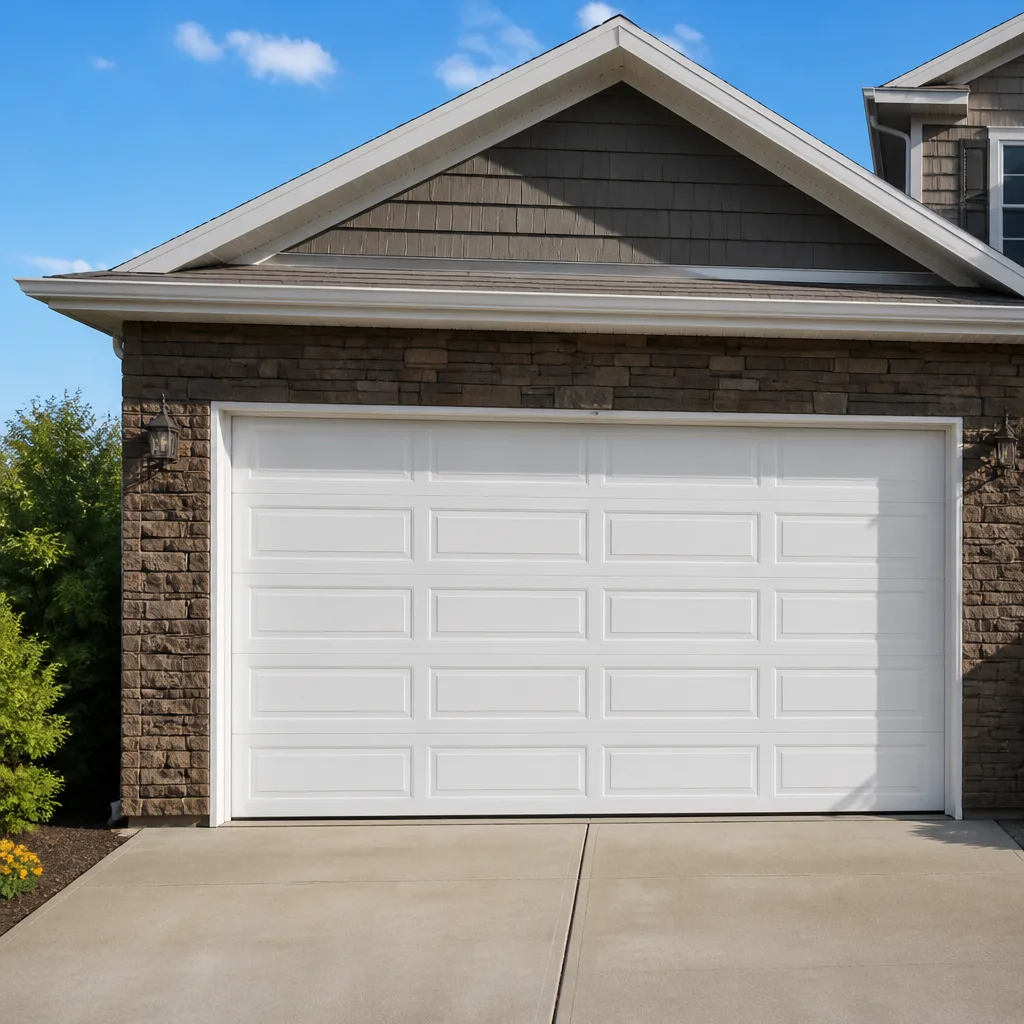 Raised-panel steel
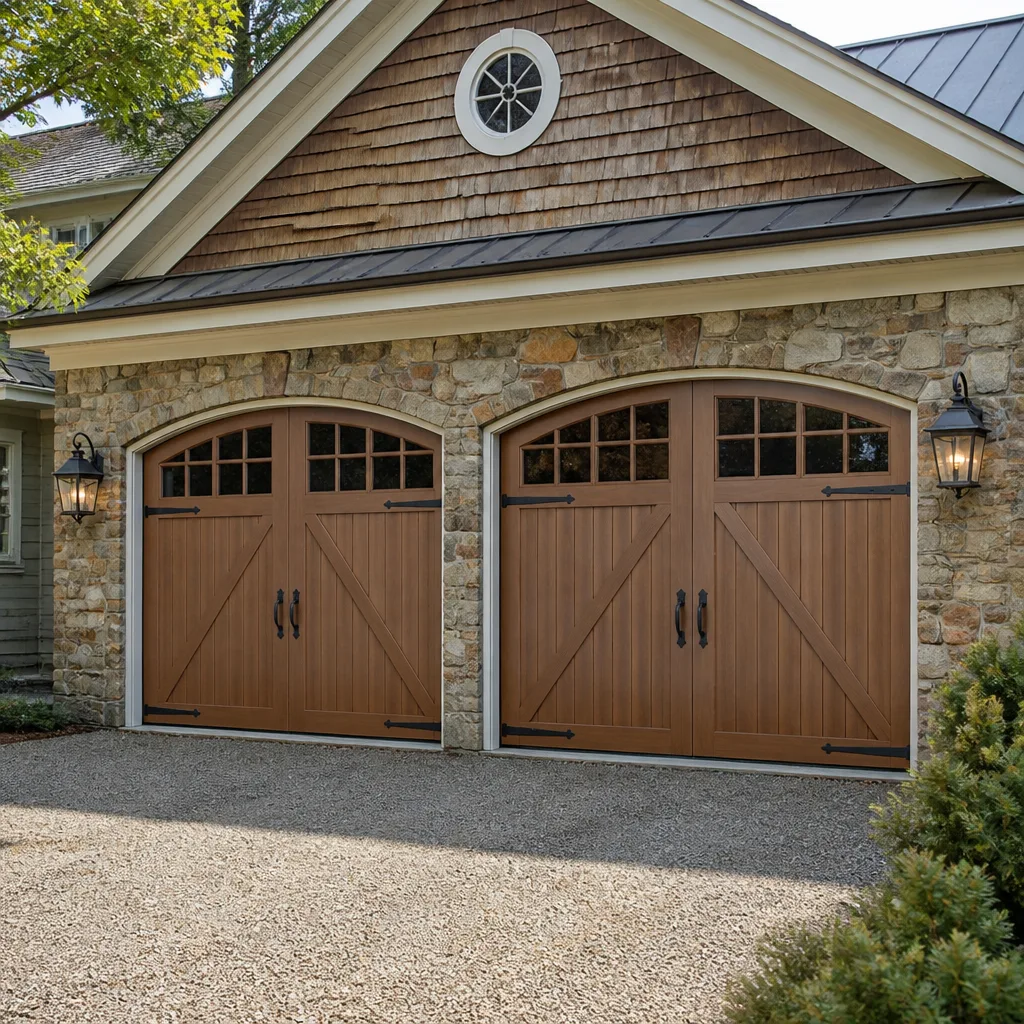 Carriage house
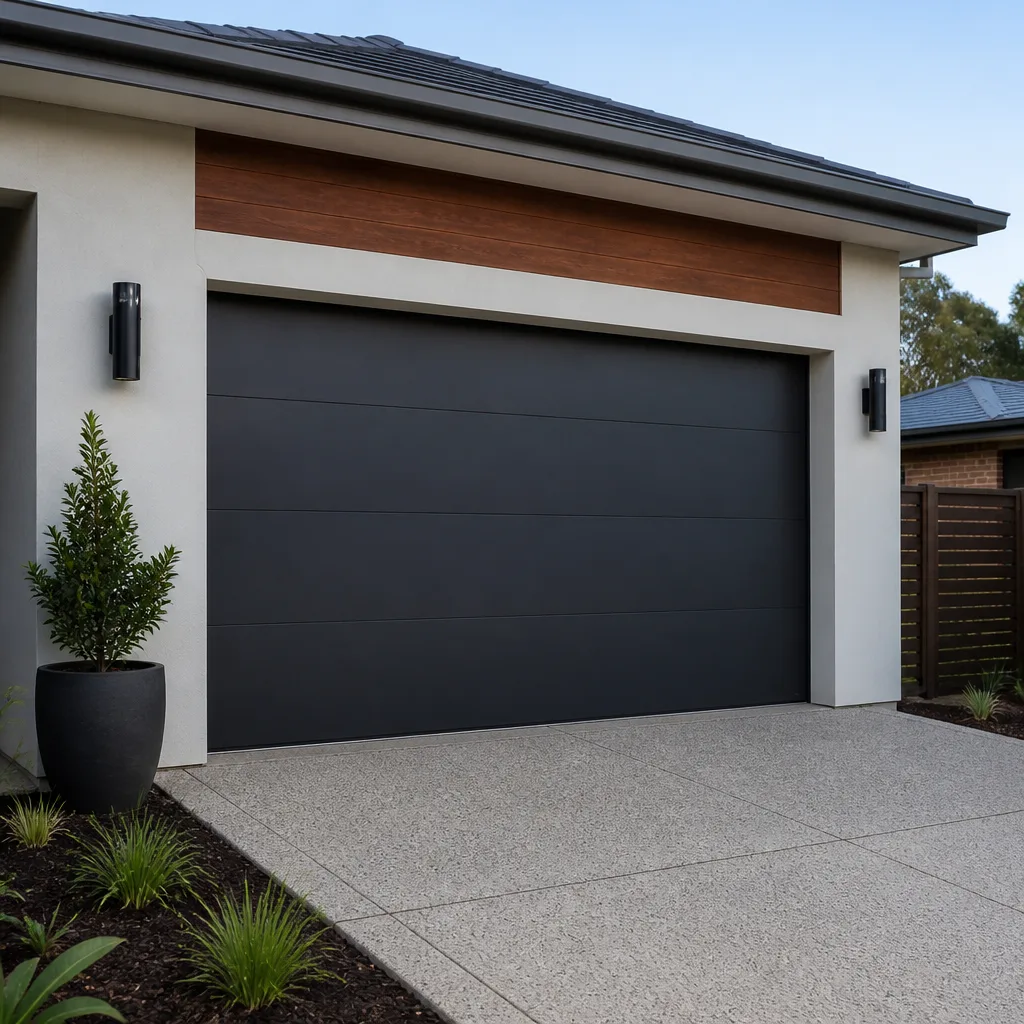 Modern flush
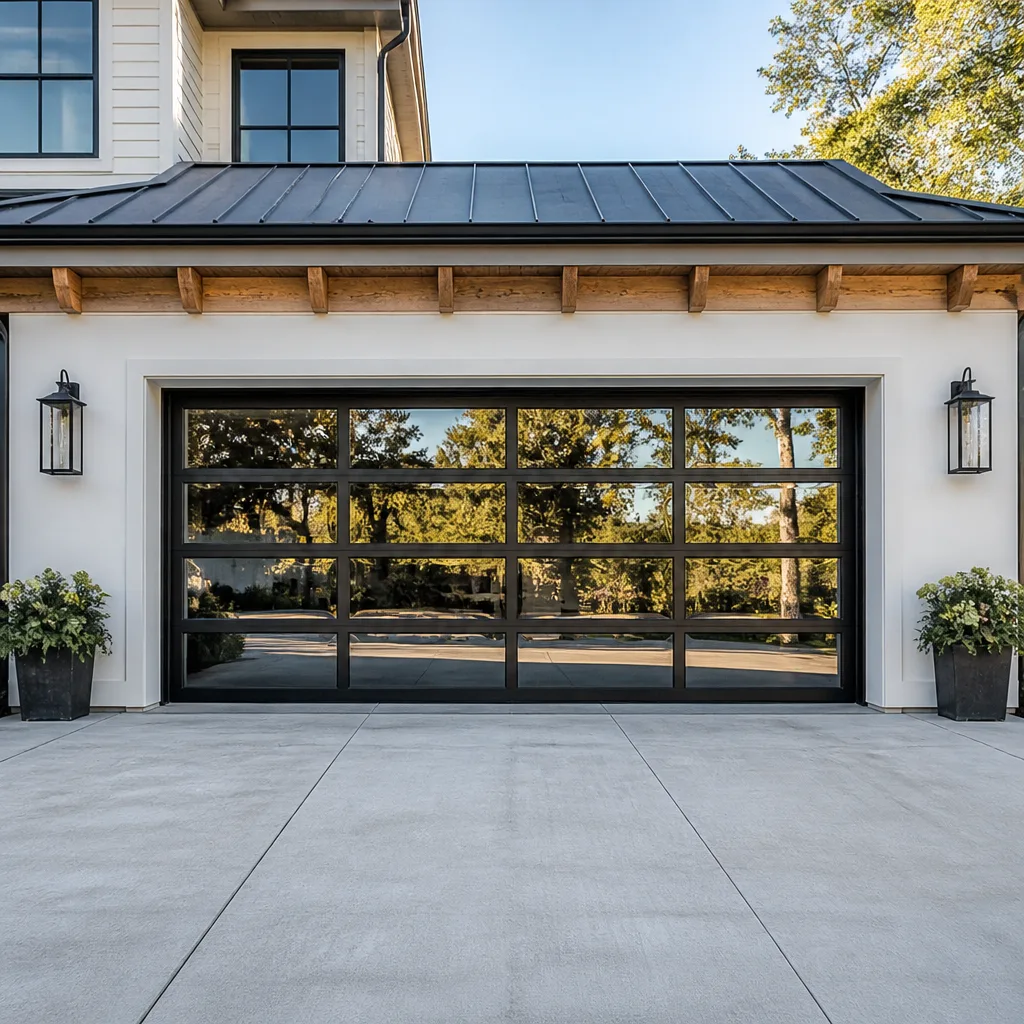 Full-view glass
 LiftMaster openers
 Chamberlain openers
Full 25-point door and opener safety check with every visit - springs, cables, rollers, tracks, and your LiftMaster or Chamberlain opener included
You get a price before we start. It does not change when the pro arrives.
Get your free estimateGarage Door Warning Signs: An Aurora Homeowner’s Reference Guide
A grinding sound when the door opens is not “just the door being old.” It’s usually a bearing failure, and it typically gives a homeowner about two weeks before the roller seizes and the door stops mid-travel with a car trapped inside. That gap between the first complaint and the breakdown is where most garage door emergencies in Aurora are actually decided. Problems get ignored not because people are careless, but because nobody ever told them which noises are cosmetic and which are a countdown. This guide sorts the harmless from the urgent: sounds, visual cues, opener behavior, cold-weather quirks, and a quarterly test you can run in under a minute.
Quick Answer
Garage door warning signs fall into four groups: sounds (grinding, scraping, popping), visual asymmetry (a door hanging unevenly or cables that look slack or frayed), opener behavior (straining, reversing on its own, running longer than it used to), and seasonal stiffness that doesn’t go away. Any single one of these is worth a look. Popping or grinding together, or a door that stops mid-travel, means stop using the opener and get the system inspected, because the parts that fail next are springs and cables under high tension.
Styles & brands we work with
- Raised-panel steel
- Carriage house
- Modern flush
- Full-view glass
- LiftMaster openers
- Chamberlain openers
Table of Contents
- Reading the Noise: A Sound-Based Diagnostic Guide
- The Visual Asymmetry Test: Spotting Trouble Before a Derailment
- What Your Opener’s Behavior Is Telling You
- Why a Door That’s “Slow in Winter” Is Not Normal
- The 60-Second Manual Release Test to Run Every Quarter
- Hardware That Fails Quietly: Cables, Rollers, and Hinges
- How Brand and Age Change the Warning Signs You’ll See
- Which Warning Signs Can Wait and Which Can’t
Reading the Noise: A Sound-Based Diagnostic Guide
Sound is the earliest and cheapest diagnostic tool you have, and most homeowners hear the same thing we do but don’t know how to translate it. The trick is that the four common failure sounds live in different parts of the door and happen at different points in the cycle. Where the noise happens matters as much as what it sounds like.
- A dry, squeaky chirp that repeats at a steady rhythm – a dry hinge or roller. The pitch matches the spacing of the rollers as they pass a rail joint. This is the least urgent sound on the list, but leaving it alone accelerates roller wear, and a worn roller eventually runs rough and jumps track.
- A metallic grinding that gets louder under load – a bearing failure, usually at the rollers or the torsion plate. Grinding doesn’t start and stop; it deepens as metal wears against metal. This is the sound that buys you roughly two weeks before something seizes.
- A scraping or rubbing that follows the door’s travel – a door panel rubbing the frame, or a cable beginning to fray against a drum. Scraping tends to change as the door moves, which makes it easy to mistake for weatherstripping.
- A single sharp pop or bang, followed by the door refusing to lift – a torsion spring breaking. Springs are under extreme tension and are the one component we tell Aurora homeowners never to touch. A broken spring is a stop-use situation.
One pattern is a false alarm worth knowing about: a rattling sound right as the opener starts is often the opener’s chain or belt, not the door. If the rattle disappears once the door is moving, the door hardware probably isn’t the culprit. The question to ask yourself is “does the noise track the door or the motor?” That’s the fork in the road between garage door opener repair and door hardware work, and it’s the first thing we check on a diagnostic call.
If you hear grinding plus a pop, or a pop on its own, stop running the door. Call (855) 337-1088. We answer 24/7. Fast dispatch from 7am to 7pm, Sunday through Friday.
The Visual Asymmetry Test: Spotting Trouble Before a Derailment
A door that hangs unevenly is a door telling you its springs or cables are no longer balanced, and an unbalanced door is the leading cause of a track derailment. The test takes a minute and you can run it from the driveway. Get the door about halfway down and stop it. Stand back about ten feet from the center of the door and look at the bottom edge relative to the floor line. Then look at the gap at each side where the door meets the frame.
- Bottom edge parity. The gap between the door’s bottom edge and the concrete should be consistent end to end. A door that’s lower on one side by more than a finger’s width has a spring or cable problem.
- Side gap consistency. The vertical gap where the door meets each jamb should match top to bottom. A gap that widens toward one corner points to a bent track.
- Cable tension. Look at the cables on both sides of the door. They should look taut like a guitar string. A slack or wavy cable is a warning sign, and a frayed one (broken strands visible) is a stop-use condition.
- Panel alignment. With the door fully closed, look down the panel seams. A horizontal seam that’s crooked means a hinge or panel is bending, usually because something’s binding.
- Track straightness. Sight down each vertical track from the floor. Any bend or kink is a derailment waiting to happen, and the door should come out of service until it’s straightened.
Aurora’s climate does this check a favor. Our cold winters and humid summers push the wood framing and the slab around a garage through real seasonal movement, and that movement is enough to nudge a track out of true or show you an imbalance you’d miss in a mild climate. A door that tracked perfectly in October and binds in January is often quoting that seasonal shift back at you. When the asymmetry is clearly coming from a bad spring, that call belongs with garage door spring repair, not a general tune-up. Safety note: never try to adjust a torsion spring, cable, or the drums yourself. Those parts store enough energy to cause serious injury, and a trained technician has the winding bars and the technique to work them safely.
What Your Opener’s Behavior Is Telling You
The opener is the door’s brain, and it tells you a lot about the hardware it’s driving. Three behaviors in particular are diagnostic: straining, reversing unexpectedly, and running longer than it used to.
- Straining on the way up. The opener hums loudly and the door moves slowly, or stalls. On the supply side, this usually means the door’s lift force has increased – often from a spring that’s losing tension, or a track that’s binding. The opener itself may also be at fault, but the first question is whether the door lifts freely by hand. If it doesn’t, the door is the problem, not the motor.
- Reversing on its own. The door starts down, stops, and goes back up without anything in its path. That’s almost always the safety sensor system or the force limit. Sensors get bumped, misaligned by a car, or blocked by a spider web; a false reversal from the force limit points to hardware binding. Either way, a door that reverses on its own is unsafe to leave alone, especially on a door people drive under.
- Running longer than usual. You remember the door taking 12 seconds from open to closed, and now it takes 18. The motor’s speed hasn’t changed; the load has. Wear inside the gearcase, a failing capacitor, or a door that’s dragging all produce a longer run. This is the earliest electronic symptom, and it’s often the cheapest to fix when caught early.
The good news for Aurora homeowners with smart-home-enabled doors is that modern openers report a lot of this directly. If your opener is a LiftMaster or Chamberlain and you’ve connected it to the app, it may have logged an obstruction or a run-time change you never noticed. When we diagnose garage door opener repair calls, the app history is often the fastest route to the fault. One caution: if the door reverses on its own repeatedly, get it checked before the next drive out. Call (855) 337-1088. We answer 24/7. Fast dispatch from 7am to 7pm, Sunday through Friday.
Why a Door That’s “Slow in Winter” Is Not Normal
A garage door that gets stiff every December is not “just the cold.” It’s telling you one of two things: the lubricant has given up at low temperature, or the spring has lost tension range. In Illinois winters, both are common, and both are fixable without replacing the door.
Garage door parts run on grease and oil. At ordinary temperatures, that grease is a film between metal surfaces. As the temperature drops, grease thickens, and if it’s the wrong weight or the wrong age, it stops doing its job. The door moves, but it moves harder, and hardened lubricant is the top reason for the grinding bearing noise we described earlier. The second cause is subtler: torsion springs lose tension range as they age, and the lost range shows up first on cold days, because the door already needs more force and the spring can’t supply it. A door that’s stiff in January but fine in May is showing you a spring nearing the end of its life, not a door that “likes summer.”
Aurora’s winters also do something less obvious: the repeated freeze-thaw cycle around the slab and the door’s bottom seal ice up the bottom edge and leave moisture sitting on the hinges and springs. Over a few seasons, that moisture is what turns a good hinge into a rusty, binding one. A pre-winter check is a real preventive step here, not a sales pitch. A technician lubricates the moving parts and checks the spring’s tension range before the first hard freeze.
And if the door slows to a crawl or stalls on a cold morning, don’t force it. A door that’s been pushed through unnecessary resistance all winter often fails as a derailed door in spring. That’s the moment to call. (855) 337-1088. We answer 24/7. Fast dispatch from 7am to 7pm, Sunday through Friday.
The 60-Second Manual Release Test to Run Every Quarter
This is the test most Aurora homeowners have never run, and it catches balance problems before they become failures. It requires no tools and takes a minute. Run it with the door closed, the opener disengaged, and nothing underneath the door.
- Disengage the opener. Pull the red manual release handle on the trolley. You should hear a click and feel the door come free of the motor.
- Lift the door by hand. Raise it about halfway, slowly, with one hand on the bottom section. The door should feel controlled, like a weight you’re moving through water. Resistance that grows as you lift means the spring is losing tension or a track is binding.
- Let it stop. Let go gently at about halfway. A balanced door holds itself in place.
- Check the sag. If it drops on its own, the spring has lost tension. If it rises, the spring is over-tensioned. Either is a sign the door needs adjustment. Never try to adjust the spring yourself; call a technician.
- Re-engage the opener. Pull the release cord or run the opener once and it should re-latch automatically. Verify the door cycles normally before you drive off.
If the door fails the “hold” test, or you hear a pop during the test, stop. Those are the two clear stop-and-call signs, and they mean the springs and cables need a trained look. Note that if the door has a broken spring, the door can be far heavier than you expect, which is why we recommend a two-person test or a cold-weather check performed by a technician. Run this test quarterly for best results, and definitely after a hard freeze and after any near-miss with the track.
Hardware That Fails Quietly: Cables, Rollers, and Hinges
Some of the most expensive failures start with almost no sound, which is exactly why they need learned caution. Treat this as a “what to watch for” list, not a how-to.
- Cables. Cables carry the door’s weight on their drums, and when they fray, the failure is sudden. A cable that looks wavy, or has a fuzzy or “hairy” section where individual wires are breaking, is a stop-use condition. Don’t lube a frayed cable hoping it’ll quiet down.
- Rollers. Rollers should run smoothly and quietly through the track. A roller that’s cracked, flat-spotted, or wobbling on its stem needs replacement. Worn rollers are the most common cause of the “grinding” and “scraping” sounds we described. They also let the door sit slightly off-track, which is how derailments begin.
- Hinges. A hinge should move freely. A hinge that’s binding sticks partway through the cycle; a hinge that’s cracked or bent is a clear failure. Hinges take the most abuse on the bottom corner sections of the door.
- Weather seal. Not a moving part, but the seal along the bottom and sides is your garage’s first defense against ice and water. A cracked seal lets water sit on the hardware all winter.
One more quiet failure: the safety reverse sensors at the bottom corners. If the door fails to reverse when you wave a box under it, the sensor is out of alignment or dead, and that’s a safety issue even when the door runs fine otherwise. That’s a common quick fix on a service visit, not a big job. If your door’s hardware or motor needs attention, garage door repair handles the mechanical side and the electronics in one call.
How Brand and Age Change the Warning Signs You’ll See
Different brands fail in different ways, and knowing where your door is on that curve makes diagnosis faster. We know the hardware inside Clopay and Amarr doors, the electronics in LiftMaster and Chamberlain openers, and the spring geometry in Wayne Dalton and Craftsman doors well enough to name the likely culprit before we see it. That’s the advantage of working with a specialist who’s already familiar with your system.
- Clopay and Amarr doors often hang their springs on a center-mounted torsion bar, and a slow winter stiffening on those doors usually points to a decreasing spring tension range rather than bad hardware elsewhere.
- Wayne Dalton doors sometimes use a lighter spring arrangement, which means tension loss shows up sooner, and a door that used to lift easily won’t by year five. A door that’s suddenly heavy is the tell.
- Craftsman openers are often older units, and their wear shows up as a longer run time and a whiny motor before any failure. That’s an “it’s working, just not well” state that’s easy to ignore until the opener quits.
- Smart-home-enabled openers (LiftMaster and Chamberlain among them) give you the app history, which we use to spot patterns like repeated false reversals.
Age is a guide but not a rule. A well-maintained 15-year-old door can outlast a neglected 5-year-old one. What matters more is the pattern: a door that’s acquired one new symptom a year needs a full diagnostic. A door that’s been trouble-free and suddenly pops needs a spring check. If you’re not sure which category yours falls into, a free estimate call sorts it out. When a door is past the point of economical repair, we’ll say so, and garage door repair and full installation live under one roof so you’re not bounced between contractors.
Which Warning Signs Can Wait and Which Can’t
Sorting symptoms by urgency is the single most useful thing a homeowner can do, because it tells you whether to call now or add it to the list. Here’s how we triage the signs in this guide.
- Call now, stop using the door: a torsion spring pop; a door that hangs mid-travel; a visibly frayed or slack cable; a broken hinge or bent track; a door that reverses on its own.
- Call this week: grinding that’s gotten louder, a door that fails the manual-release hold test, a door that runs noticeably slower than it used to, an opener straining.
- Schedule a check: a chirpy hinge, a door that’s stiff only in winter, a slow opener run, a cracked weather seal.
- Monitor: a faint rattle at opener start; a door that’s otherwise fine but slightly noisy in the cold.
The theme is that springs, cables, and anything that makes a door hang unevenly belong in the stop-use group. Everything else is a “get it checked” group. If you can’t decide, call. (855) 337-1088. We answer 24/7. Fast dispatch from 7am to 7pm, Sunday through Friday.
Common Mistakes to Avoid
- Assuming noise is “just age.” A grinding opener is a bearing failure with a countdown, not a personality trait. Waiting for it to “get bad enough” is how you end up with a car stuck inside.
- Forcing a stiff winter door. Holding the button through resistance trains the opener to work harder and stresses the door’s hardware. If it’s fighting you, stop.
- Trying to fix a spring or cable yourself. These parts store enough energy to seriously hurt you, which is exactly why this guide stops at “identify the sound” and doesn’t teach you how to wind a spring.
- Ignoring a door that reverses on its own. That’s a safety system telling you something’s wrong, and it’s the door people drive under.
- Treating the manual-release test as optional. Skipping it means missing a spring that’s lost tension until the door fails on a cold morning.
- Calling any contractor for a torsion spring job. Spring work is a high-skill, high-risk repair, and a general handyman may not carry the winding bars or the training. A specialist is the safer call.
- Replacing a whole door when the hardware is the problem. Plenty of “old door” complaints are worn rollers, a bad spring, or a straining opener. Get a diagnosis before you price a new door.
See the difference
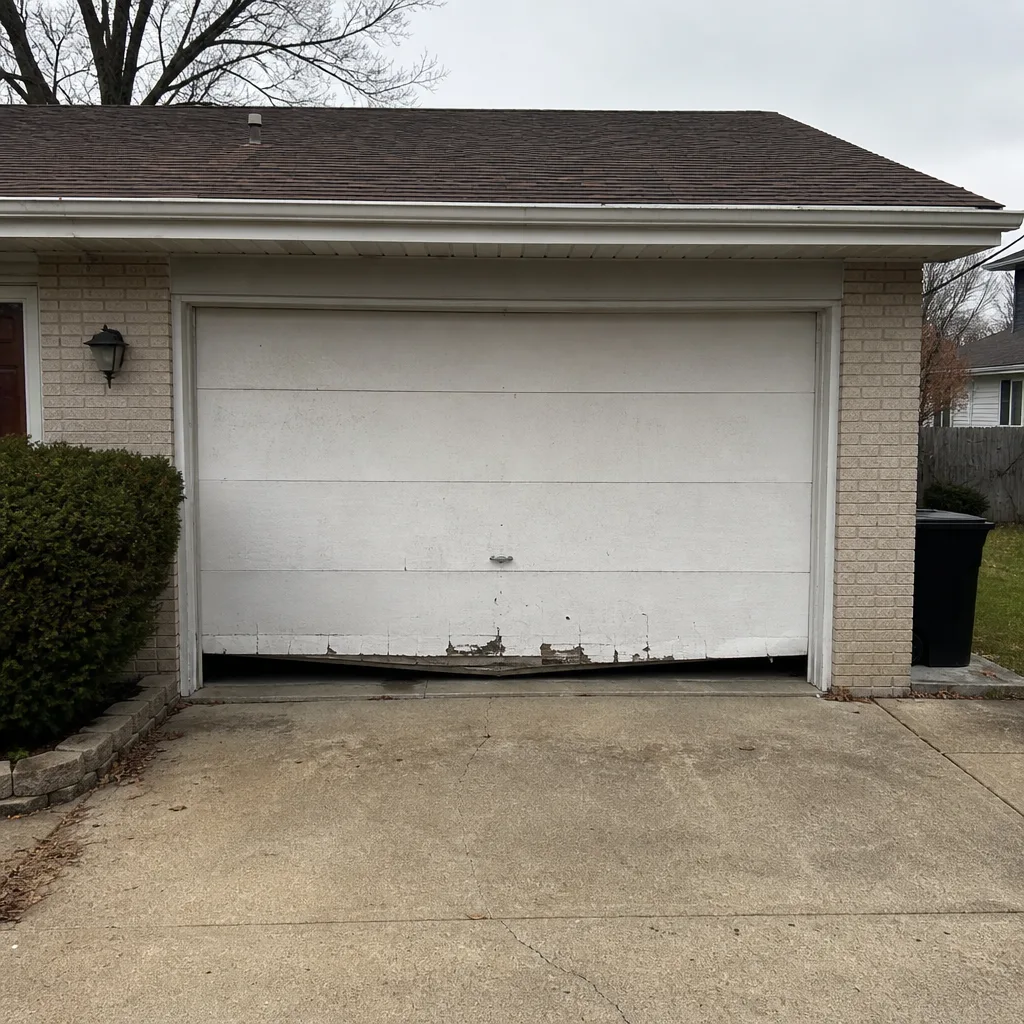 Before
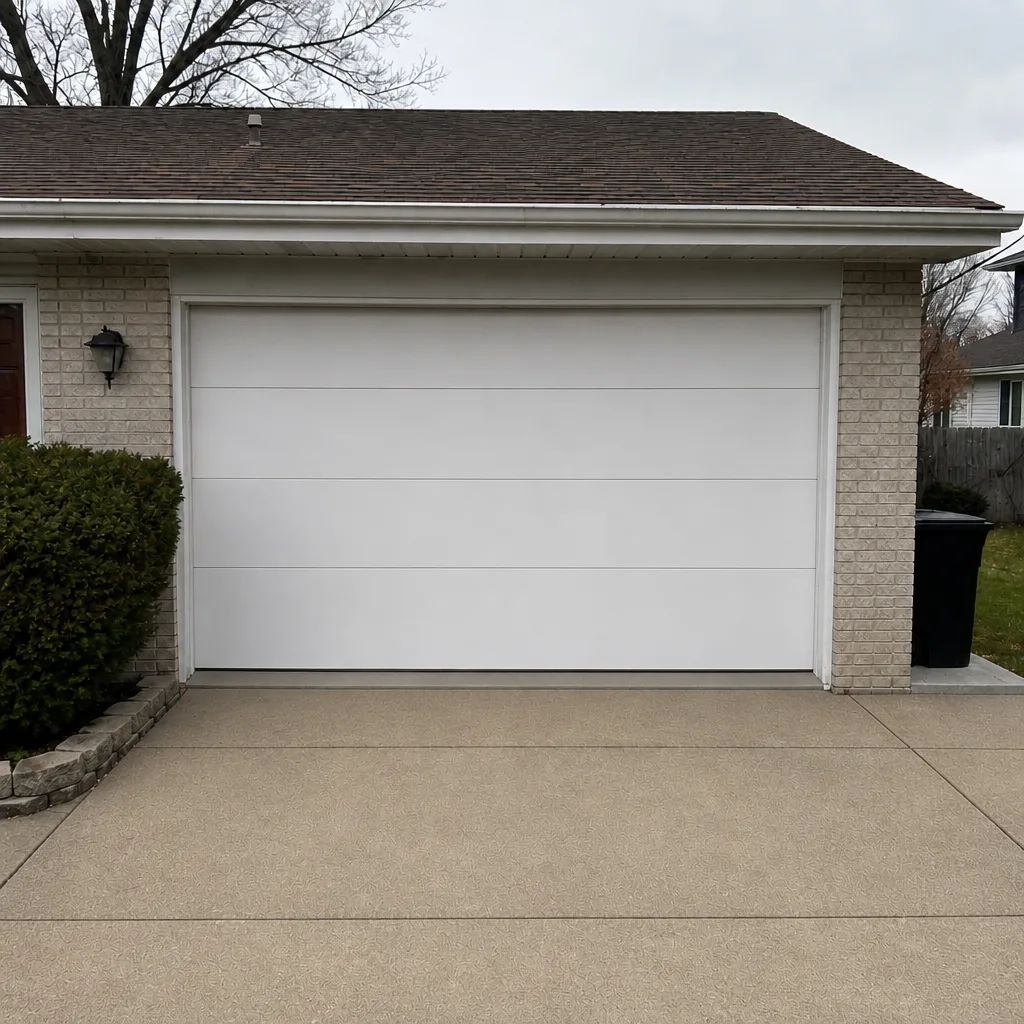 After
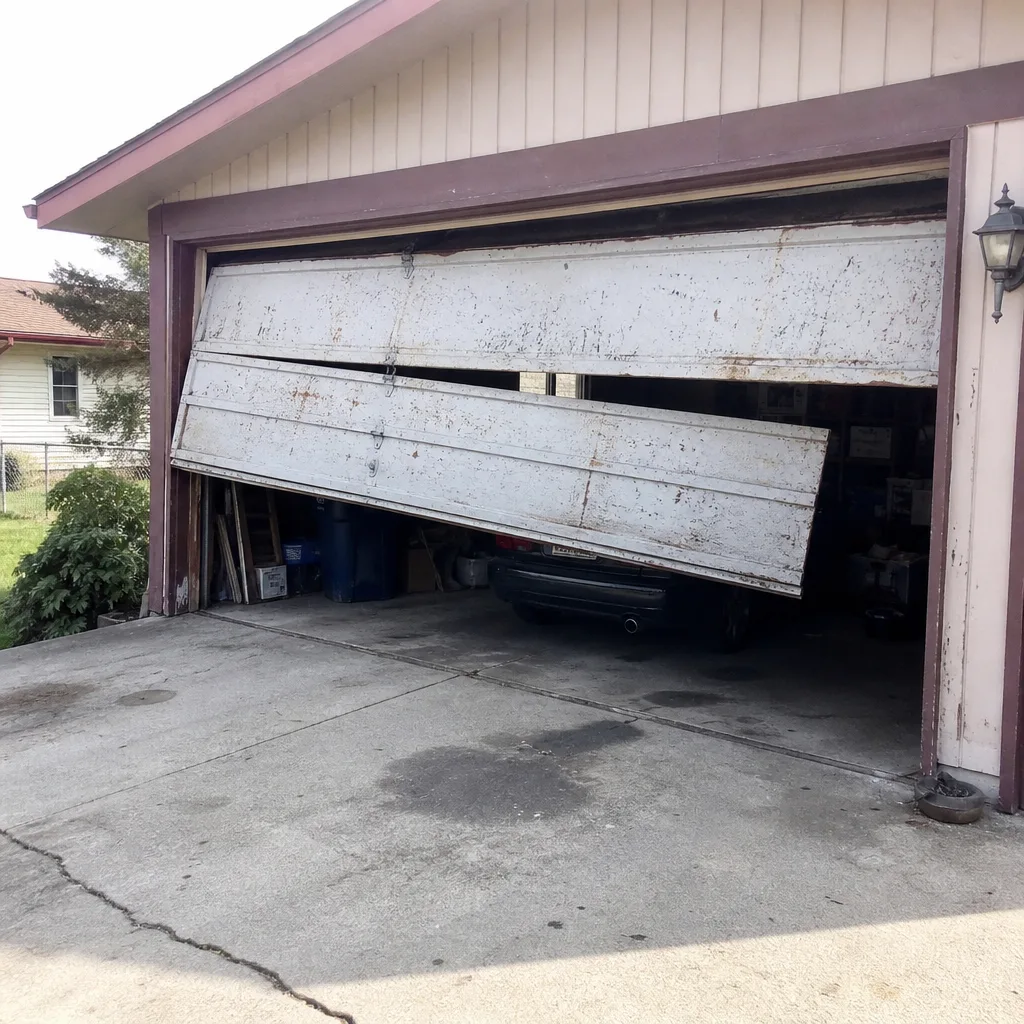 Before
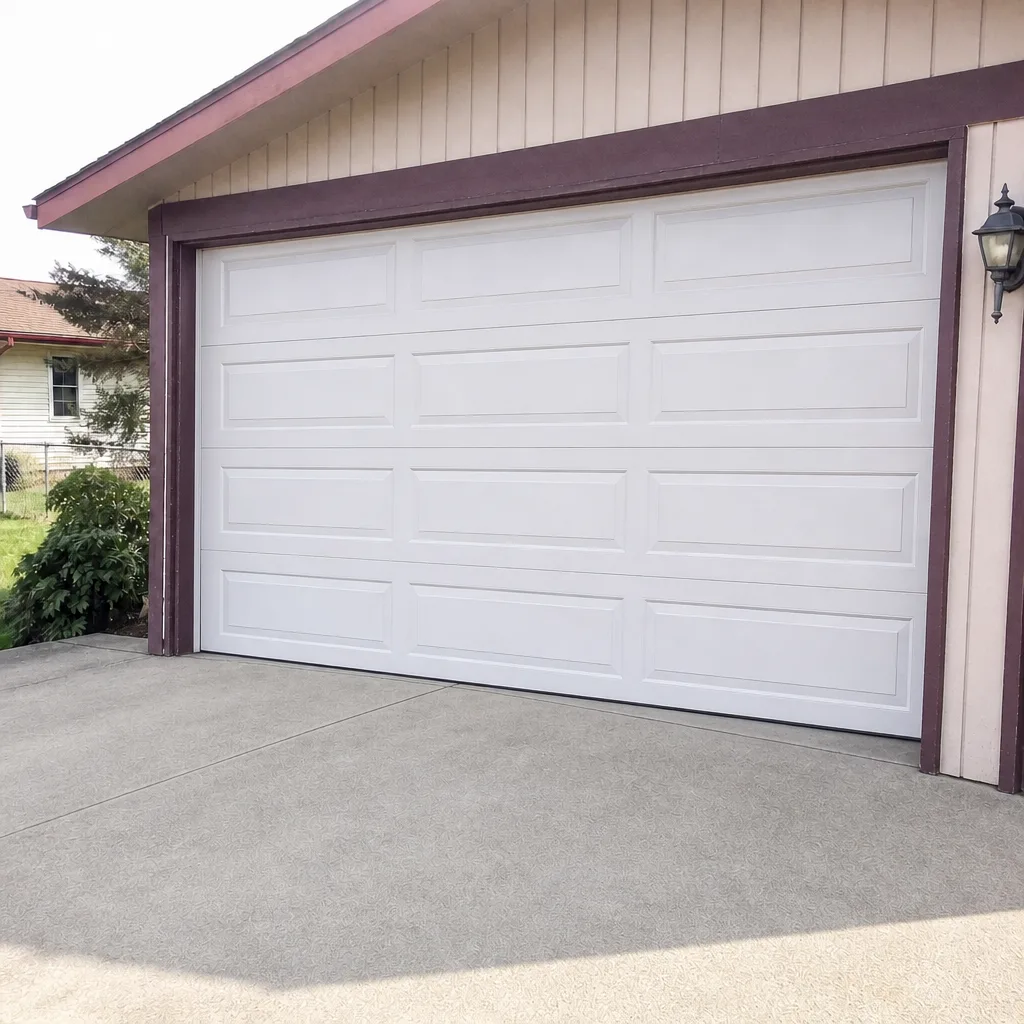 After
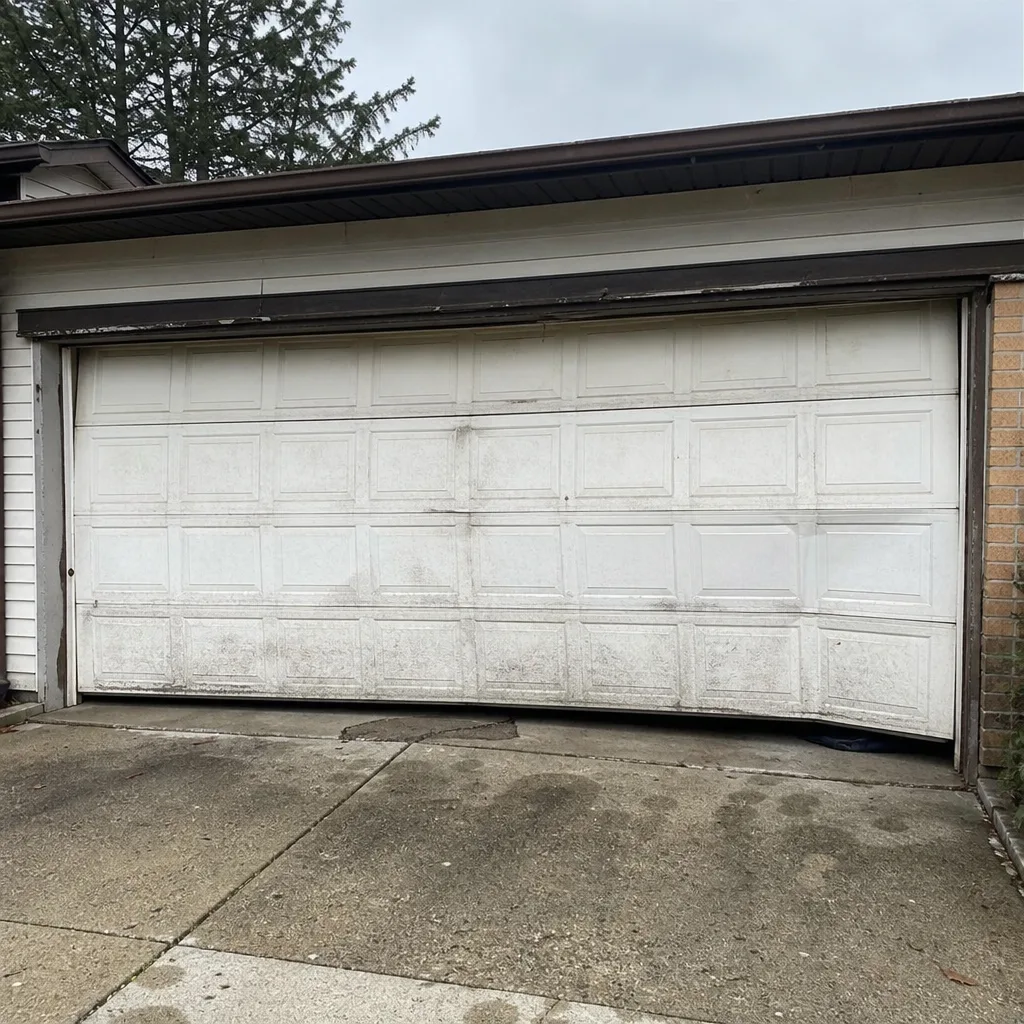 Before
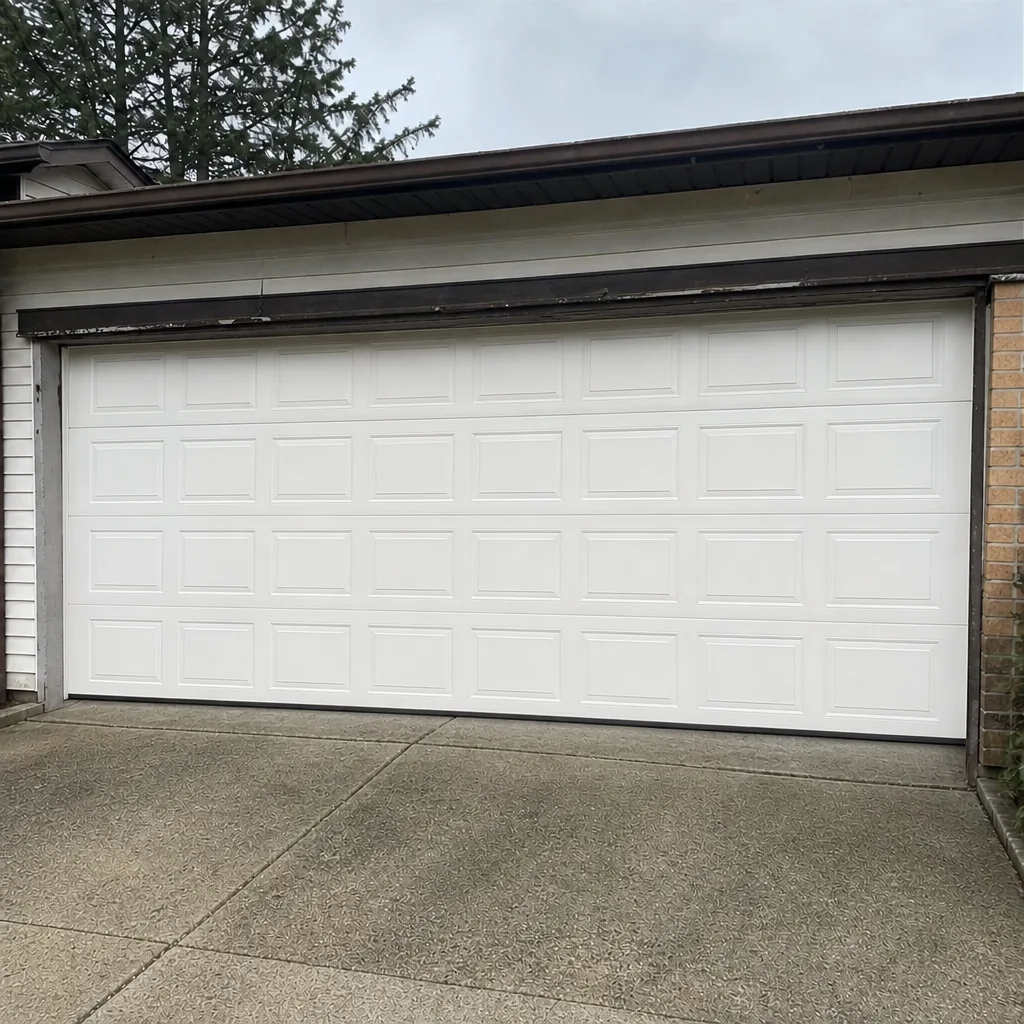 After
When to Call a Professional
Call when the door pops, hangs unevenly, reverses on its own, or fails the manual-release hold test. Call when the grinding has gotten louder or the door won’t finish its travel. Call if a cable looks frayed or a track is bent. Call if the door has been stiff all winter and now stalls. And call if you’re simply not sure which category your door falls into, because a five-minute diagnosis is cheaper than a derailed door. Garage Door Repair Aurora Pros offers free estimates in Aurora – call (855) 337-1088. We show up knowing your system before we touch it, whether it’s a Clopay door or a LiftMaster opener.
Frequently Asked Questions
Typical spring repair in Aurora depends on whether it’s one spring or a matched pair. A single torsion spring replacement usually runs in the $180 to $340 range, and a matched pair costs roughly twice that. The written estimate sets the final price, and it’s quoted before any work starts.
A broken torsion spring, a frayed cable, or a door that hangs unevenly are the serious ones. Those are the signs that mean the door’s weight is no longer safely supported, so stop using the opener and get a technician out. A grinding bearing is also high on the list because it typically fails within a couple of weeks.
Yes. A door that’s slow only in cold weather is telling you the lubricant has thickened or the spring has lost tension range, and both are fixable. Aurora winters make this show up faster than milder climates, so it’s a genuine warning sign, not a harmless seasonal quirk.
Yes, the manual release test is safe to run yourself, and quarterly is a good rhythm. You disengage the opener, lift the door halfway, and check whether it holds. Stop if it fails the hold test or pops. Never adjust a spring or cable yourself.
No. We quote and agree the price before any work starts, and the written estimate is the price. If we find something additional mid-job, we stop and talk to you before doing anything else.
Yes. The vetted local professionals we connect you with are licensed and insured as Illinois requires. Our technicians have up to 11 years of experience. All of our work is backed by a satisfaction guarantee. Call (855) 337-1088 for an exact quote. Estimates are free.
The Bottom Line
Most garage door failures announce themselves, often weeks ahead. Learn to read the sounds: a chirp is a dry hinge, grinding is a bearing with a countdown, a scraping noise is a panel or cable rubbing, and a pop is a spring that’s done. Watch for asymmetry, test the manual release every quarter, and take winter stiffness seriously, because Aurora’s freeze-thaw cycle speeds up the wear. Sort symptoms by urgency, and stop using the door when springs, cables, or balance are in question. When in doubt, a quick diagnosis is cheaper than a derailed door.
Call (855) 337-1088 for a free estimate. We answer 24/7. Fast dispatch from 7am to 7pm, Sunday through Friday.
Written by the team at Garage Door Repair Aurora Pros.