
Last updated November 21, 2026
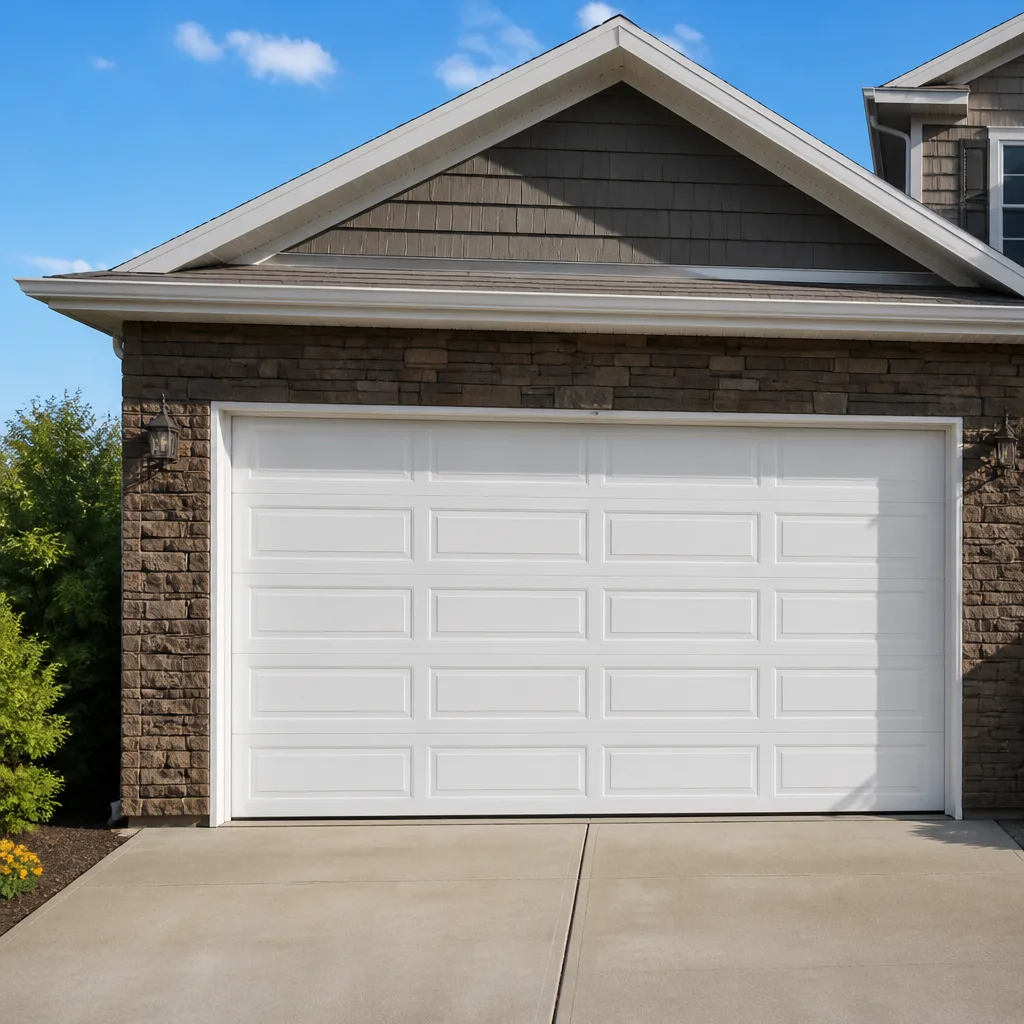 Raised-panel steel
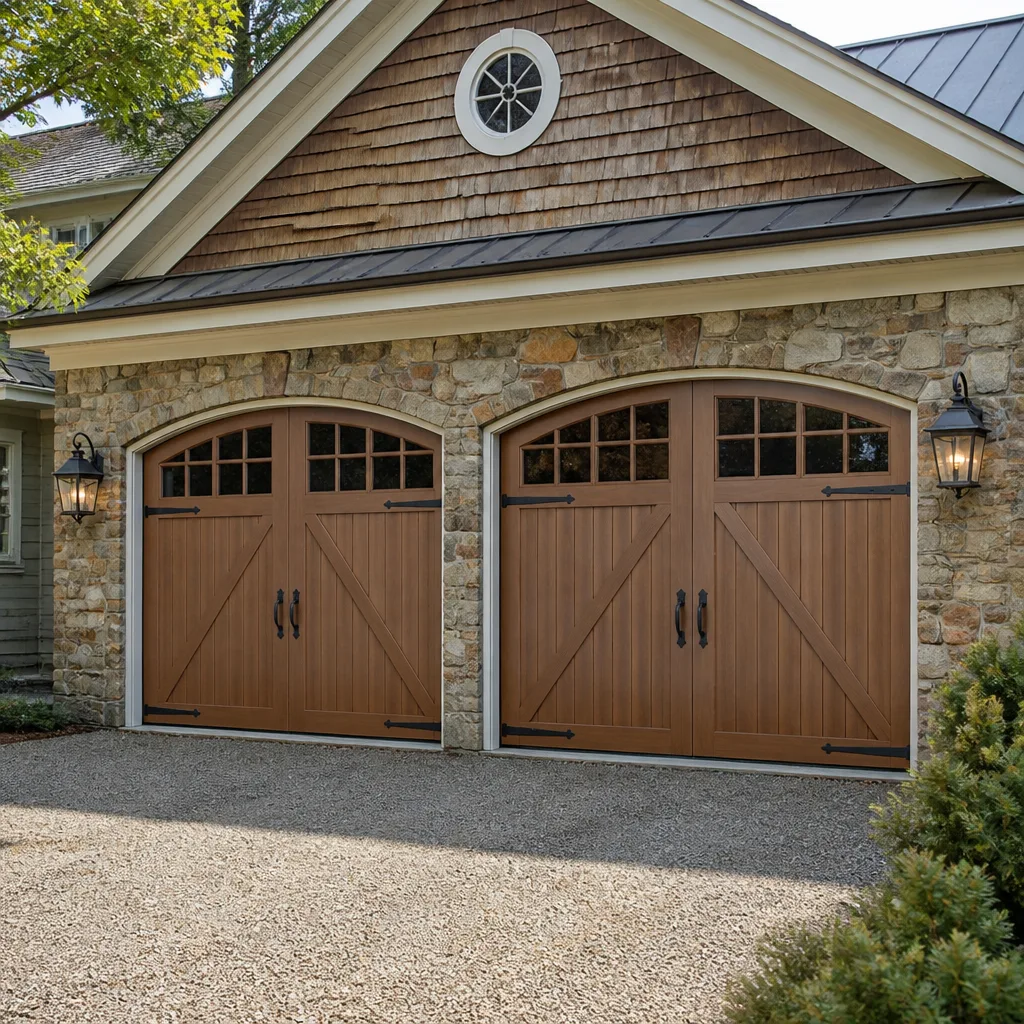 Carriage house
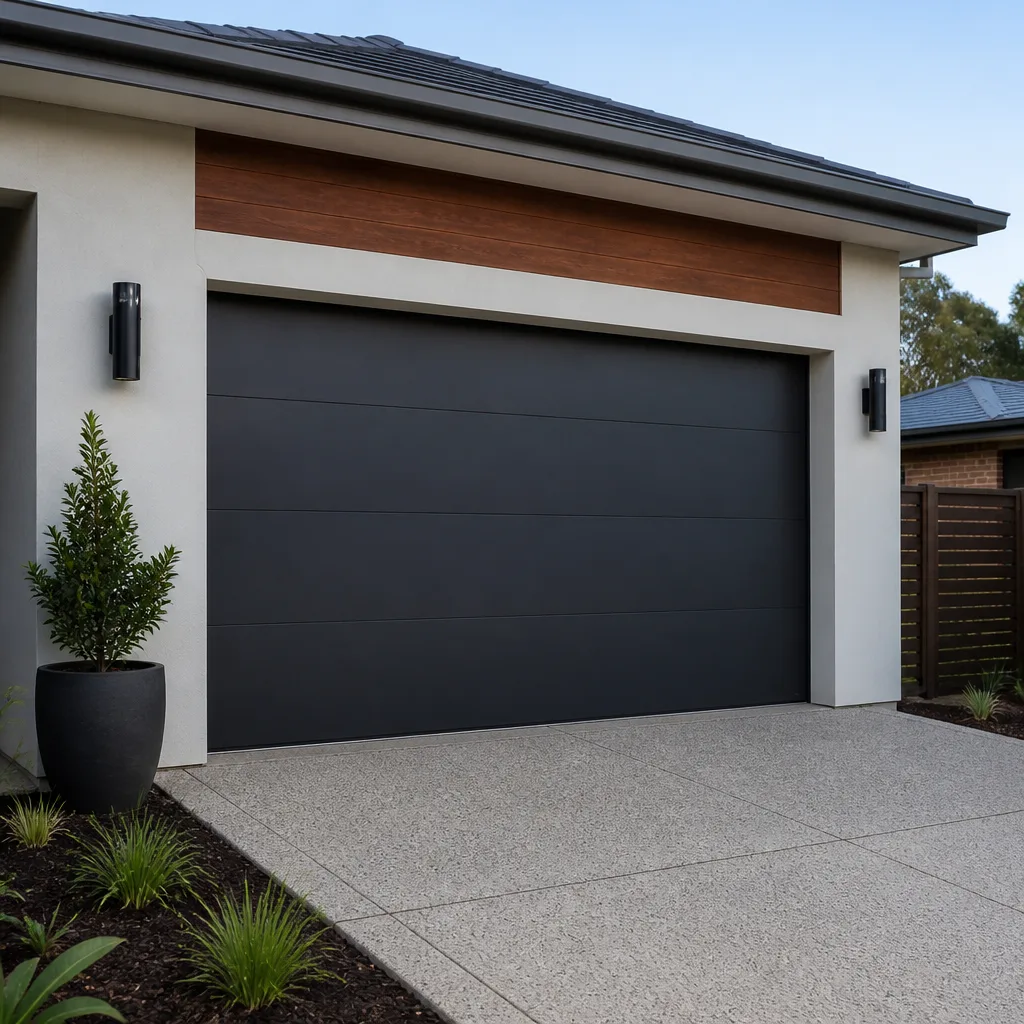 Modern flush
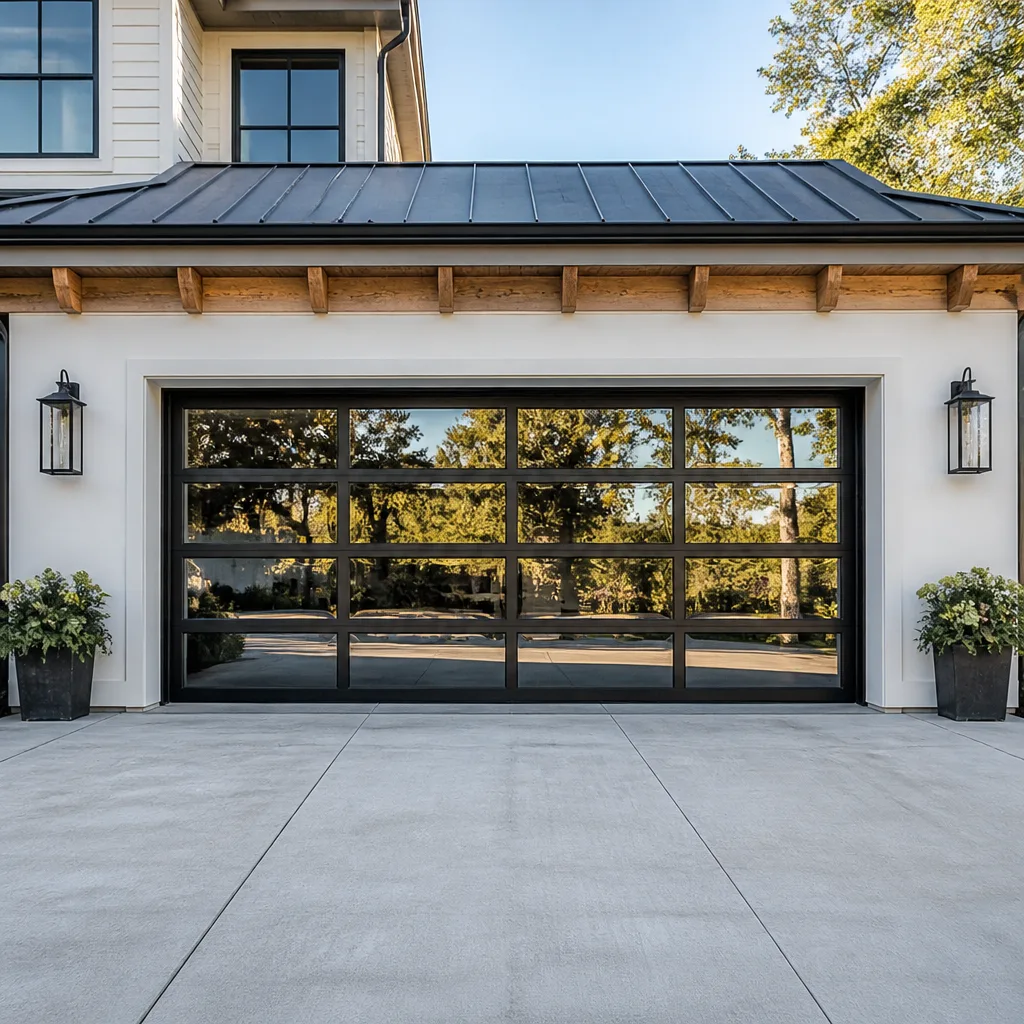 Full-view glass
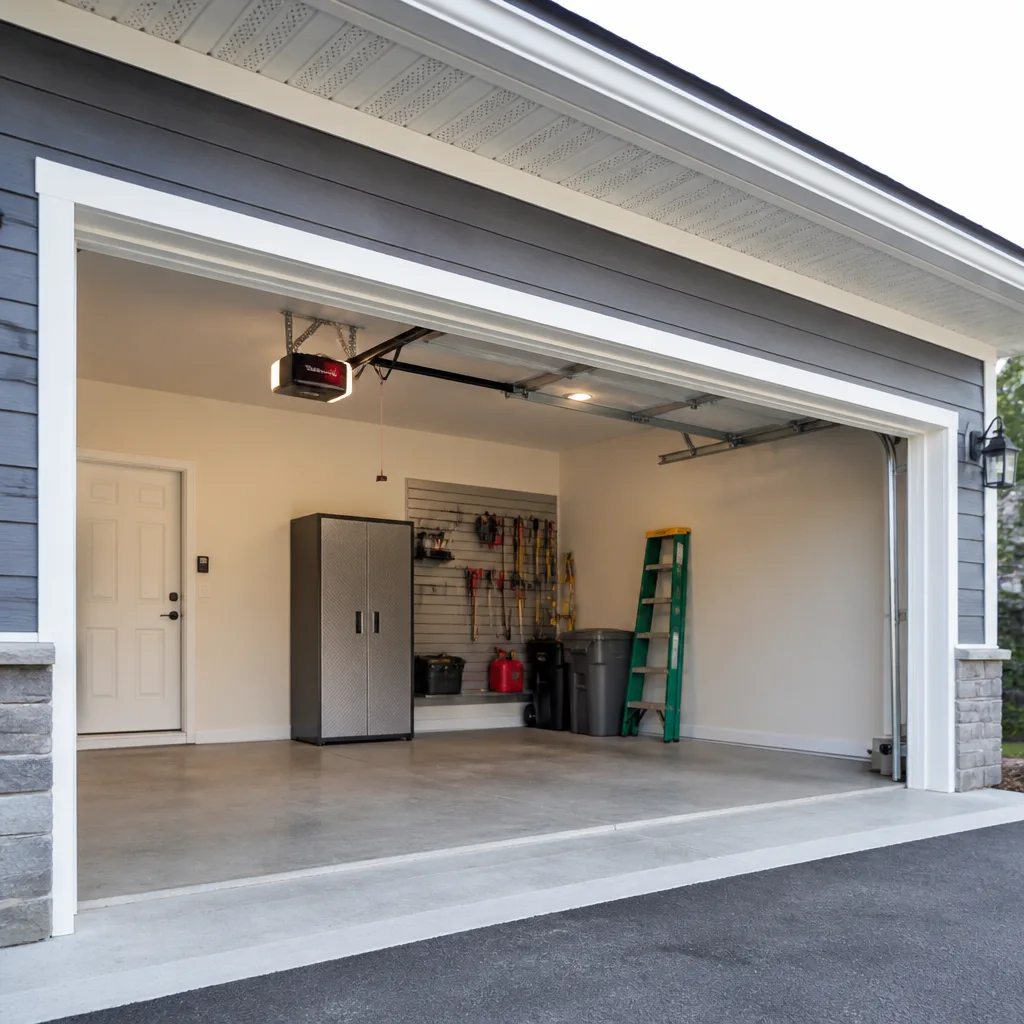 LiftMaster openers
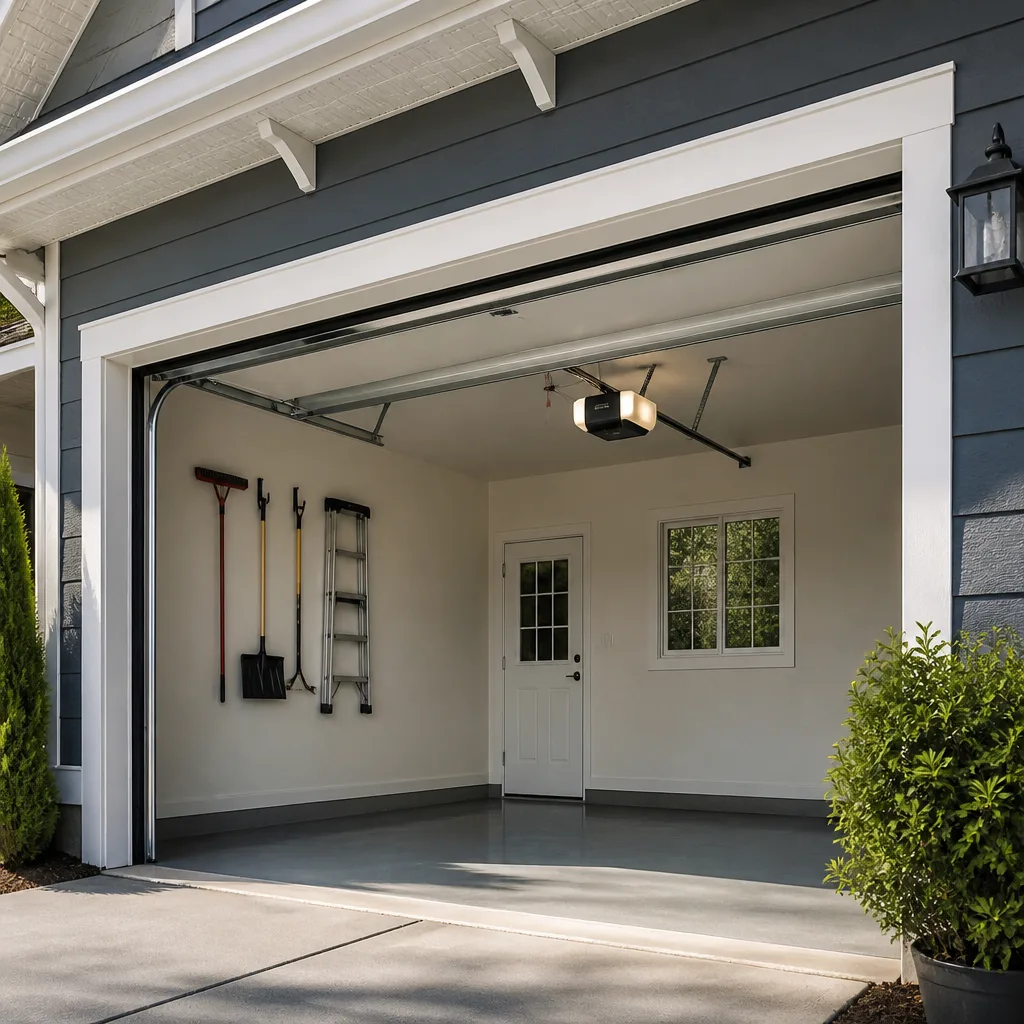 Chamberlain openers
Full 25-point door and opener safety check with every visit - springs, cables, rollers, tracks, and your LiftMaster or Chamberlain opener included
You get a price before we start. It does not change when the pro arrives.
Get your free estimateHow to Hire a Garage Door Contractor in Aurora: A Step-by-Step Guide
Most people hire a garage door contractor based on price and availability. That’s the wrong order. The part that failed is rarely the whole story, and a contractor who replaces it without asking why it failed will often be back at your door within a few months, sometimes with a different problem in the same system. We’ve seen this pattern play out in Aurora often enough to know it’s not bad luck. It’s a diagnostic gap. This guide gives you five questions that separate a parts-swapper from a technician who understands the mechanical system behind your specific door brand, plus how to read a quote line by line, what warranty language actually means, and which red flags are specific to the Aurora market.
Quick Answer
To hire a garage door contractor in Aurora, ask five diagnostic questions before accepting any quote: what caused the failure, what brand-specific parts will be used, is labor itemized, what does the warranty cover, and who will actually perform the work. A contractor who can answer all five specifically is a technician. One who can’t is a parts-swapper. Get everything in writing, confirm the price is locked before work starts, and verify the contractor is licensed and insured as Illinois requires.
Styles & brands we work with
- Raised-panel steel
- Carriage house
- Modern flush
- Full-view glass
- LiftMaster openers
- Chamberlain openers
Table of Contents
- The Five Diagnostic Questions to Ask Before You Accept a Quote
- What Illinois Licensing Actually Covers (And What It Doesn’t)
- How to Read a Garage Door Quote Line by Line
- Why Brand Familiarity Changes the Diagnosis
- Warranty Language: What 90-Day Parts Actually Means
- Red Flags Specific to the Aurora Market
- How Aurora Weather Affects Garage Door Wear
- Common Mistakes to Avoid
- When to Call a Professional
- Frequently Asked Questions
The Five Diagnostic Questions to Ask Before You Accept a Quote
These five questions do more work than any review site. Ask them in order. Listen for specifics, not reassurances. A contractor who knows your system will answer quickly and cleanly. One who doesn’t will reach for generalities.
- “What caused the failure, not just what failed?” A broken spring is a symptom. The cause might be an unbalanced door, a worn cable, or a torsion system that was never tensioned correctly. If the answer is only “the spring snapped,” you’re getting a part replacement, not a diagnosis.
- “What brand is my door and my opener, and will you use OEM or aftermarket parts?” This is a fair question and a fast filter. A technician familiar with Clopay doors or a LiftMaster opener will name the brand and explain the part choice. If they don’t know your brand offhand and don’t want to look, that tells you something.
- “Is labor itemized separately from parts on the quote?” A single lump-sum number hides what you’re paying for. Itemized labor protects you if the job scope changes mid-repair, because you can see exactly what shifted and by how much.
- “What exactly does the warranty cover, and for how long?” Parts and workmanship are two different warranties and they cover two different things. Ask for both in writing.
- “Who will actually perform the work, and are they insured?” The person who quotes the job isn’t always the person who shows up. Confirm the technician is covered under the contractor’s insurance, not working as an uninsured subcontractor.
Any contractor worth hiring will welcome these questions. In our experience, the ones who get defensive are usually the ones with something to hide in their process.
What Illinois Licensing Actually Covers (And What It Doesn’t)
Here’s something most homeowners don’t know: Illinois does not have a statewide license specifically for garage door contractors. The state licenses plumbers, electricians, roofers, and several other trades, but garage door work falls into a gap. That doesn’t mean anyone can do it safely. It means the burden of verification sits with you, not with a state database.
So what should you actually check? These signals matter more than a license number that doesn’t exist:
- General liability insurance and workers’ compensation. Ask for a certificate of insurance. A legitimate contractor will provide one without hesitation. If a technician is injured on your property and isn’t covered, that liability can land on you.
- Manufacturer training or certification. Programs exist for specific brands and systems. A contractor who has completed training on torsion spring systems or on a specific opener line has demonstrated competence beyond word of mouth.
- IDA membership. The International Door Association is the trade body for the garage door industry. Membership signals a contractor who participates in the professional community and stays current on safety standards.
- Written estimates and contracts. A contractor who works without paperwork is a contractor with no accountability structure. The written estimate is the price; get it before anyone touches your door.
- A physical business presence you can verify. A phone number and a website are easy to set up. A business address, a working phone line answered by a person, and a track record you can check are harder to fake.
For Aurora homeowners, the practical takeaway is this: don’t ask “are you licensed?” Ask “are you insured, what training do you have, and can you show me a written estimate?” Those are the questions that separate a professional from a hobbyist.
When you’re ready to compare options, our garage door repair page lays out what a proper diagnostic visit involves, so you know what to expect from any contractor you call.
How to Read a Garage Door Quote Line by Line
A garage door quote is a document, and like any document, what’s missing tells you as much as what’s there. Here’s how to read one properly.
Parts section
Every part should be listed with a description and a quantity. For a spring replacement, that means the spring type (torsion or extension), the wire gauge, and whether it’s priced as a single spring or a matched pair. A matched pair is usually replaced together because springs wear at the same rate, so the second one is often close behind the first. Confirm in writing whether you’re being quoted for one spring or two.
Labor section
“Labor included” is not the same as itemized labor. “Labor included” means the labor cost is buried in the total, and if the job runs into a complication, you have no baseline to compare against. Itemized labor means you can see the labor charge separately. That matters because if the contractor discovers an additional problem mid-repair, you can see exactly what the additional labor charge is for and decide whether to approve it.
Scope and exclusions
A good quote states what’s included and what isn’t. Does it include disposal of the old parts? Does it include a balance check after the repair? Does it include a safety inspection of the cables, rollers, and tracks? If those aren’t listed, ask whether they’re part of the job or an add-on.
The total and the commitment
The total should match the line items. The quote should state clearly that the price is quoted and agreed before any work starts. If you see a number without a breakdown and a handshake without a document, slow down. Ask for the written estimate before you authorize anything.
If a contractor quotes you a spring repair without explaining whether it’s one spring or a pair, that’s a sign the quote wasn’t built for your door specifically. Our garage door spring repair page explains how a proper spring quote is structured so you can compare apples to apples.
Why Brand Familiarity Changes the Diagnosis
A garage door system isn’t one machine. It’s a door panel assembly, a torsion or extension spring system, a track and roller assembly, a set of safety sensors, and an opener with its own circuit board and logic. Each manufacturer builds these components to slightly different specs. A technician who works across many brands learns the differences and diagnoses faster because they already know where to look.
We work with equipment from eight manufacturers: LiftMaster, Chamberlain, Genie, Clopay, Amarr, Wayne Dalton, Craftsman, and Raynor. That range matters for a simple reason. A Chamberlain opener and a Genie opener have different logic boards, different sensor configurations, and different failure patterns. A Clopay door and an Amarr door have different panel weights and spring requirements. A contractor who knows only one brand will often misdiagnose a problem in another, or replace a part that didn’t need replacing because they didn’t recognize the symptom.
When you’re evaluating a contractor, ask which brands they work with regularly. If the list is long and specific, that’s a good sign. If the answer is “we work on everything,” ask a follow-up: “What’s the difference between a LiftMaster and a Chamberlain opener’s sensor setup?” A brand-familiar technician can answer that. A generalist can’t.
Brand familiarity also affects parts availability and pricing. A contractor who knows the supply chain for a specific brand can often source the right part faster and avoid substituting a universal part that fits but doesn’t perform the same way. That’s not a sales pitch. It’s the difference between a repair that holds and one that comes back.
Openers are their own category. Smart-home integration, Wi-Fi connectivity, and battery backup systems have changed how openers fail and how they’re diagnosed. A technician who isn’t current on those systems will often replace a board when the real problem is a sensor alignment or a firmware quirk. Our garage door opener repair page goes deeper into how modern opener diagnostics work.
Warranty Language: What 90-Day Parts Actually Means
A 90-day parts warranty covers the part itself for 90 days. If the spring fails within that window through no fault of installation, you get a replacement part. What it doesn’t cover: the labor to install it, the cost of the service call, or any damage to the door caused by the part failure.
A one-year workmanship guarantee covers the installation work itself for a year. If the spring wasn’t tensioned correctly and it fails early, that’s a workmanship issue and the guarantee should cover the full repair, including labor. These are two different warranties and they protect you against two different failures.
Here’s what to look for in the warranty language:
- Is the warranty in writing? A verbal warranty is no warranty. Ask for the terms on the quote or a separate document.
- Does it cover labor or parts only? A parts-only warranty leaves you paying for the labor a second time.
- What voids the warranty? Some warranties exclude damage from misuse, impact, or work performed by another contractor. Read the exclusions.
- Is the warranty transferable? If you sell the house, does the warranty transfer to the new owner? Some do, some don’t, and it’s worth asking.
- What’s the claim process? A warranty you can’t easily claim is a warranty that doesn’t help you. Ask how a claim is filed and how quickly it’s handled.
A contractor who offers a one-year workmanship guarantee is confident in their installation. A contractor who offers only a 90-day parts warranty and no labor coverage is telling you something about their confidence level. Neither is automatically disqualifying, but you should know which one you’re getting before you sign.
Red Flags Specific to the Aurora Market
Aurora sits in the western suburbs of Chicago, and like any metro area, it attracts contractors who follow weather events and seasonal demand. After a storm season, out-of-state crews sometimes move through the area offering quick repair work. Some are legitimate. Many aren’t, and the ones that aren’t leave behind problems that cost more to fix than the original repair would have.
Here’s what to watch for:
- No verifiable local address. A contractor who can’t tell you where their business is based or who can’t provide a certificate of insurance is a risk. If they’re passing through, your warranty may pass through with them.
- Cash-only or no written estimate. There’s no accountability trail. If something goes wrong, you have no documentation and no recourse.
- Pressure to decide immediately. A legitimate contractor gives you a written estimate and time to review it. Pressure is a sales tactic, not a service.
- Quotes that are suspiciously low. A quote far below market rate usually means a cut-rate part, skipped diagnostic work, or labor that will be “discovered” as extra once the job starts.
- No brand familiarity. If the contractor can’t identify your door or opener brand and doesn’t want to learn, they’re not equipped to diagnose your specific system.
- Warranty only mentioned verbally. If the warranty isn’t in writing, it doesn’t exist. Ask for the terms in writing before you agree to the work.
- No proof of insurance. Ask for a certificate of insurance. A contractor who hesitates or deflects is a liability risk you don’t need to take on.
Aurora’s market is competitive enough that you don’t need to take a chance on a contractor with warning signs. There are enough legitimate options that you can afford to be selective. When the door won’t move, we move fast, and so should any contractor you hire.
How Aurora Weather Affects Garage Door Wear
Aurora winters are hard on garage doors. The freeze-thaw cycle that runs from late fall through early spring affects the metal components of the door in ways that homeowners don’t always connect to the season. Springs, cables, rollers, and tracks all expand and contract with temperature swings. A door that runs smoothly in October can start binding in January because the track has shifted a fraction of an inch, or because a roller has dried out and stiffened in the cold.
That seasonal stress is one reason a proper diagnostic matters more than a quick part swap. A spring that breaks in February may have been under extra tension for months because the door wasn’t balanced and the opener was compensating. Replace the spring without checking the balance, and the new spring will wear the same way.
Snow and ice also affect the bottom seal and the sensors. A sensor that’s misaligned by a fraction of an inch can fail intermittently, and intermittent failures are the hardest to diagnose. If your door opens fine on some days and not others, the culprit is often a sensor issue or a temperature-related alignment problem, not the opener itself.
Spring and fall are good times to have the door checked. A balance test, a visual inspection of the cables and rollers, and a sensor alignment check catch most seasonal issues before they become failures. If you’re not sure when the door was last inspected, that’s a good reason to schedule one.
Common Mistakes to Avoid
- Accepting the first quote without a written breakdown. A verbal number is not a quote. Get the estimate in writing with parts, labor, and scope itemized so you can compare it to another quote fairly.
- Choosing on price alone. The lowest quote is often the one that skipped the diagnostic step. A repair that fails in a few months costs more than the difference between quotes.
- Not asking whether the spring quote is for one spring or a pair. Springs wear at the same rate, so a matched pair is usually replaced together. A quote that doesn’t specify is a quote you can’t compare.
- Ignoring the reason the part failed. A spring, a roller, or an opener can fail because of an underlying imbalance, misalignment, or worn cable. Replacing the failed part without checking the cause is the most common reason repairs don’t hold.
- Assuming a state license covers garage door work. Illinois doesn’t issue one. Verify insurance, training, and a written estimate instead of looking for a license number that doesn’t exist.
- Not reading the warranty terms. A 90-day parts warranty and a one-year workmanship guarantee protect you against different failures. Know which one you’re getting before you sign.
- Hiring a contractor who can’t name your brand. If they don’t know your door and opener brand, they’re learning on your door. Ask before you commit.
When to Call a Professional
Some garage door problems are genuinely dangerous to handle yourself. Torsion springs, in particular, store an enormous amount of energy. A spring under tension can cause serious injury if it releases unexpectedly, and the tools and technique required to wind and unwind a torsion system safely aren’t something to learn from a video. Cables under tension carry the same risk. If your door has a broken spring, a snapped cable, a door that’s come off its track, or a door that won’t close fully, call a professional.
Opener issues can sometimes be simple – a sensor misalignment, a dead battery in the remote, a tripped breaker – but if the opener is humming without moving the door, the problem may be in the drive system or the logic board. If your door is making a new noise, moving unevenly, or reversing for no clear reason, that’s worth a professional look before it becomes a bigger repair.
Garage Door Repair Aurora Pros offers free estimates in Aurora. Call (855) 337-1088. We answer 24/7. Fast dispatch from 7am to 7pm, Sunday through Friday.
Frequently Asked Questions
Ask three things: are they insured, what training or manufacturer certification do they have, and can they provide a written estimate with itemized parts and labor. Illinois doesn’t issue a garage door-specific license, so insurance and training are the real qualifications to verify. A qualified contractor will answer all three without hesitation.
Most early failures come from replacing the broken part without diagnosing why it failed. An unbalanced door, a misaligned track, or a worn cable puts extra stress on the new part, and it fails the same way. A proper diagnostic before the repair is what prevents the callback.
A proper quote lists the parts with descriptions and quantities, separates labor from parts, states the scope and any exclusions, and confirms the price is agreed before work starts. For a spring repair, it should say whether the quote is for one spring or a matched pair. A lump-sum number with no breakdown is not a quote you can compare.
No. Illinois does not have a statewide license specific to garage door work. Instead, verify general liability insurance, workers’ compensation coverage, manufacturer training, and a written estimate. Those are the credentials that matter for this trade in Aurora.
A 90-day parts warranty covers the part itself, not the labor to replace it. A one-year workmanship guarantee covers the installation work, so if the part fails because of how it was installed, the full repair is covered. Ask for both in writing and read the exclusions.
You can, but you shouldn’t if you have a choice. Brand-specific knowledge speeds diagnosis and improves part selection. A contractor who regularly works on Clopay, Amarr, Chamberlain, or Genie systems already knows the failure patterns for your door and opener. A generalist will be learning on your door.
The Bottom Line
Hiring a garage door contractor in Aurora comes down to five questions and one principle: diagnosis before replacement. Ask what caused the failure, what brand-specific parts will be used, whether labor is itemized, what the warranty covers, and who will perform the work. Get everything in writing. Confirm the price is agreed before any work starts. Verify insurance because Illinois doesn’t issue a license for this trade. And read the warranty language carefully, because a 90-day parts warranty and a one-year workmanship guarantee protect you against different things. A contractor who can answer all five questions specifically is the one you want. The rest is noise.
When you’re ready to compare options, we’re here to help. Call (855) 337-1088 for a free estimate. We answer 24/7. Fast dispatch from 7am to 7pm, Sunday through Friday. You can also start with Garage Door Repair Aurora Pros to see how we approach diagnosis and repair across every major brand.
Written by the team at Garage Door Repair Aurora Pros.
See the difference
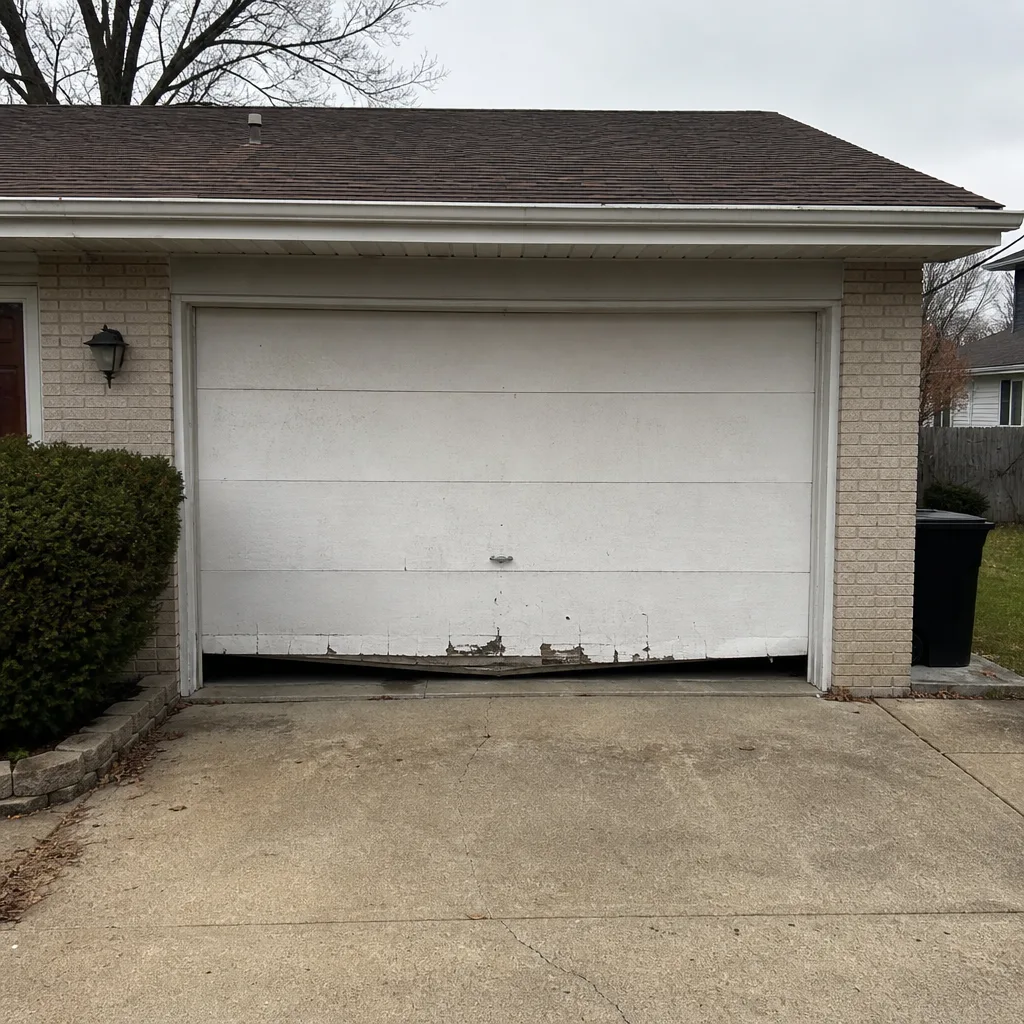 Before
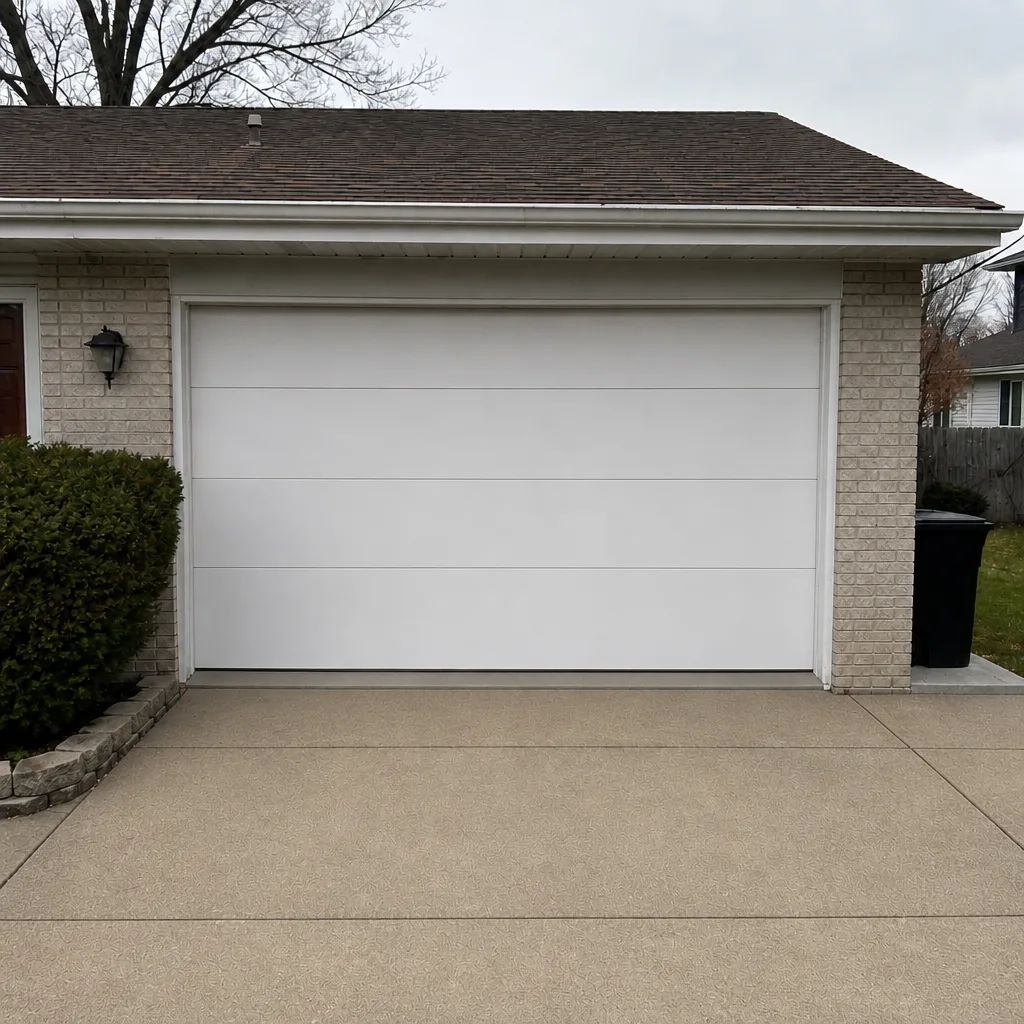 After
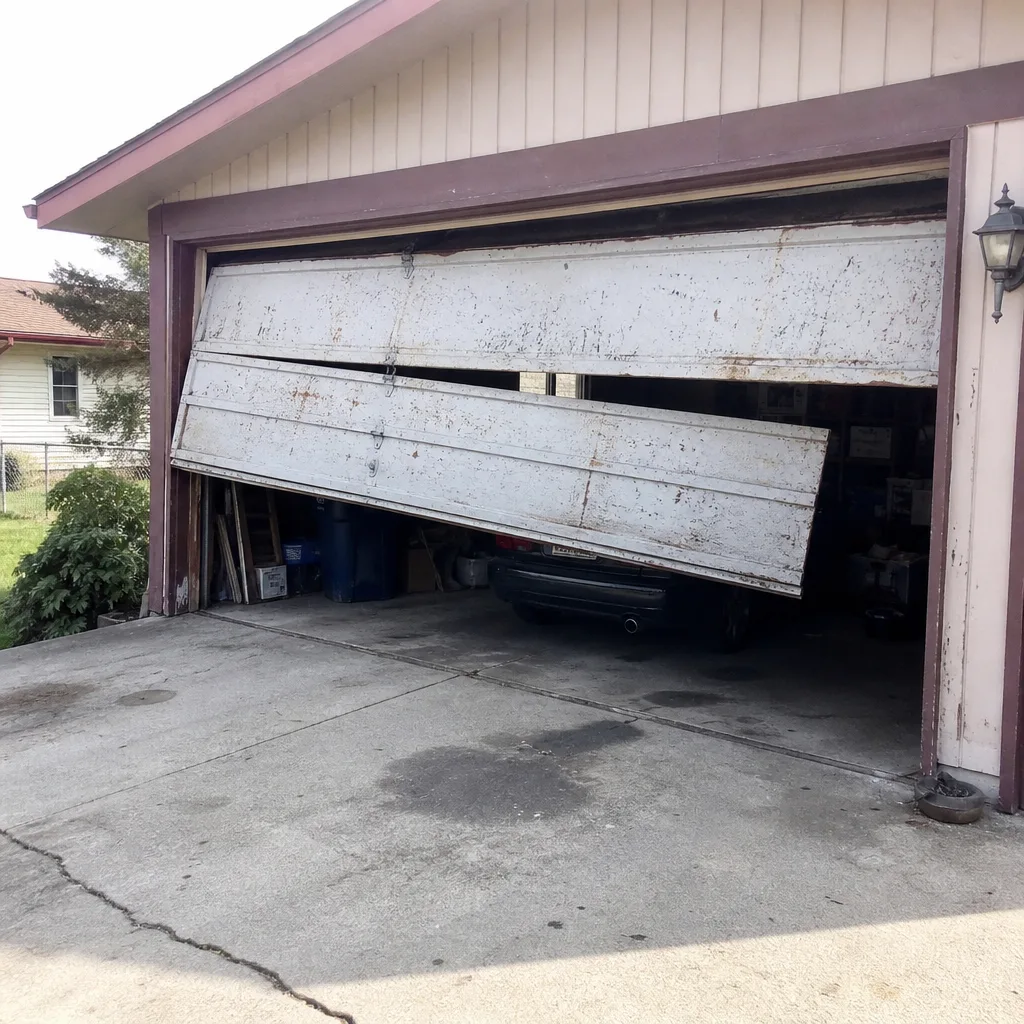 Before
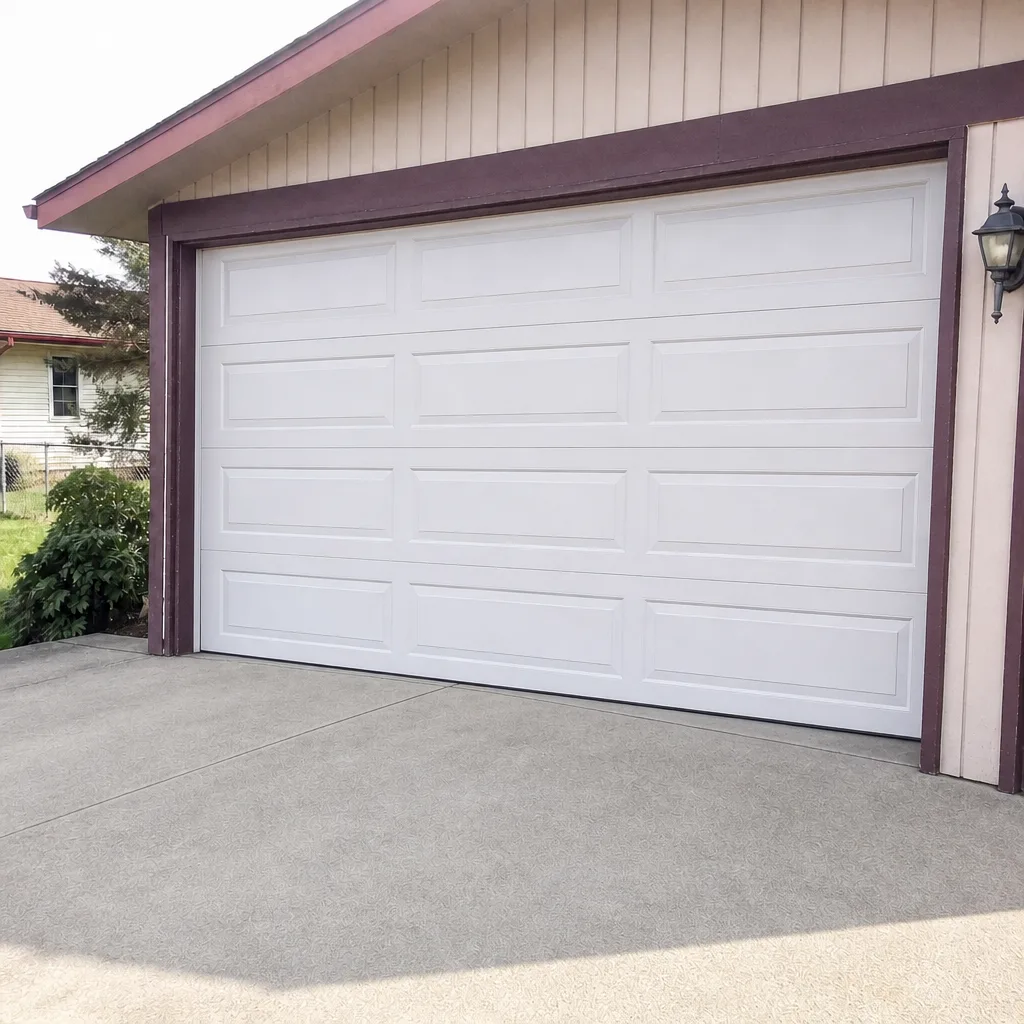 After
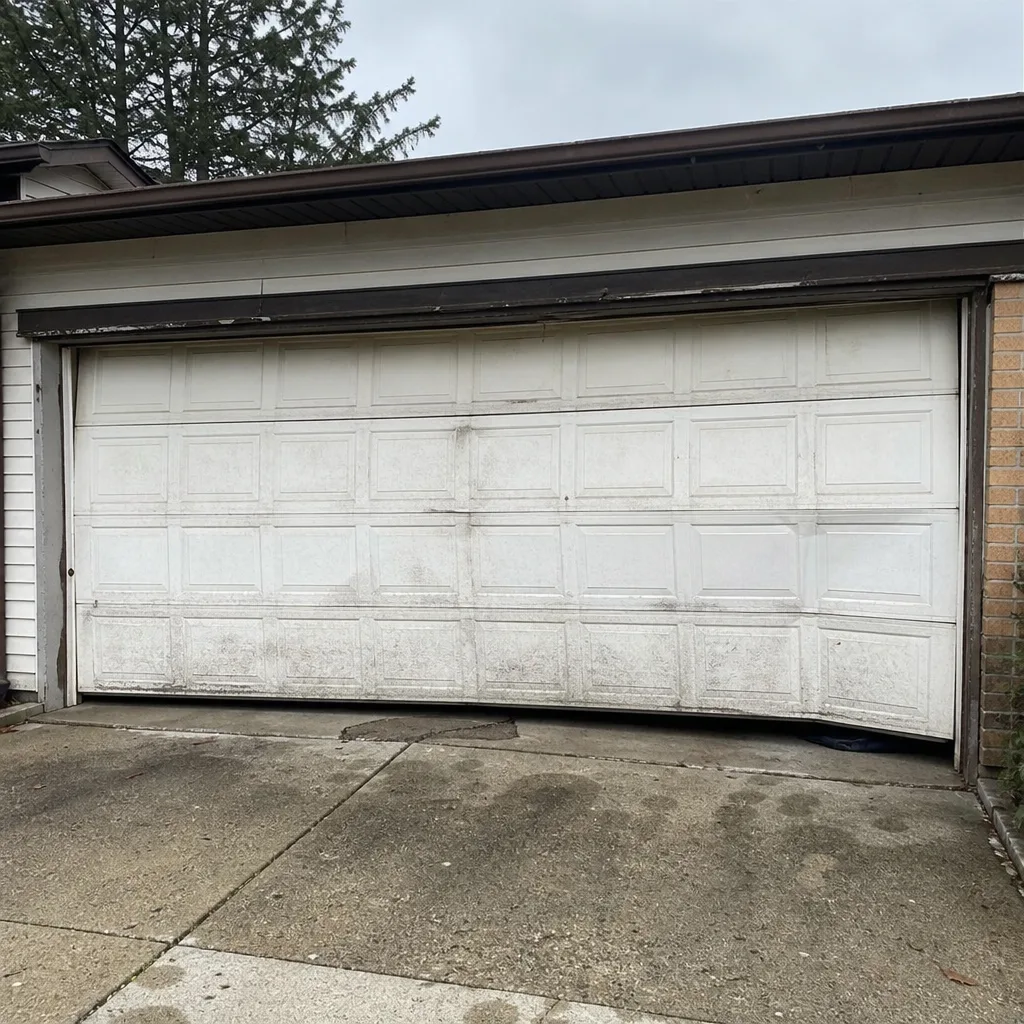 Before
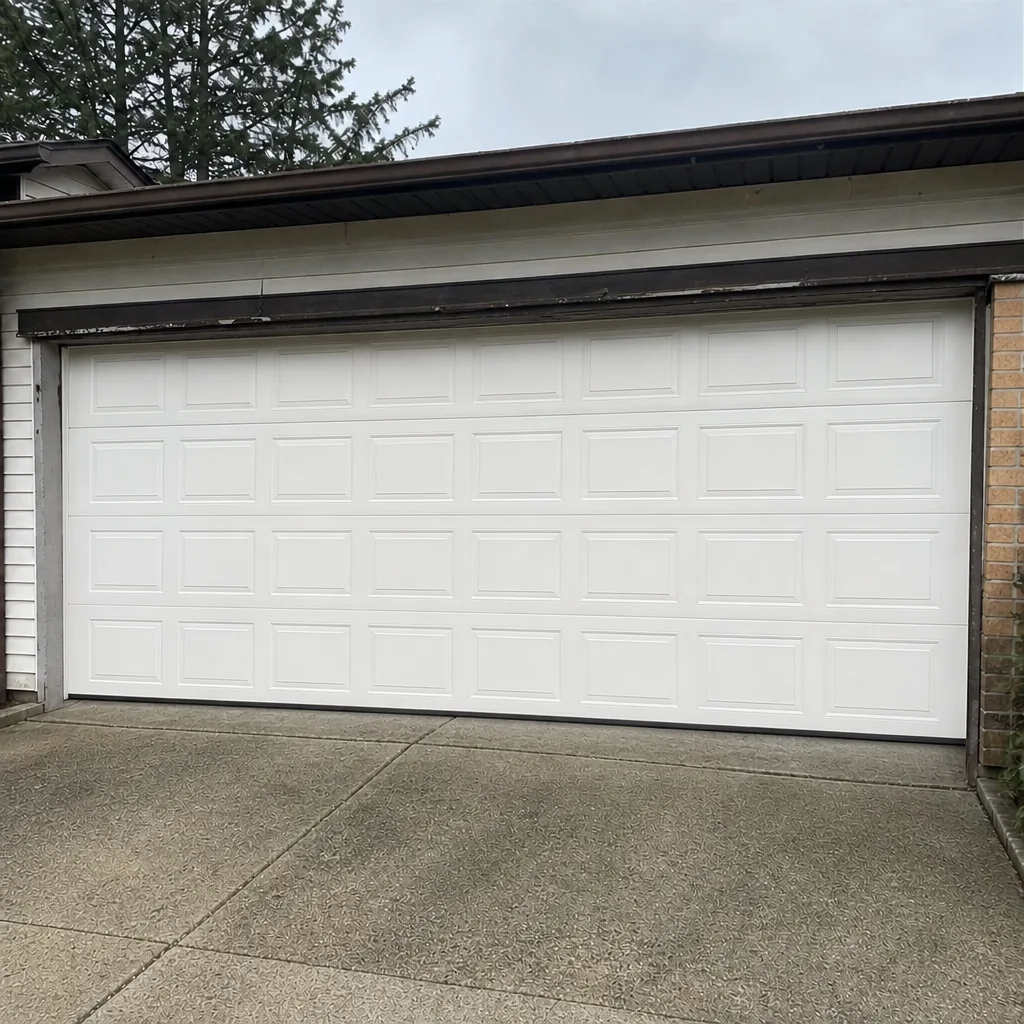 After