
Last updated November 21, 2026
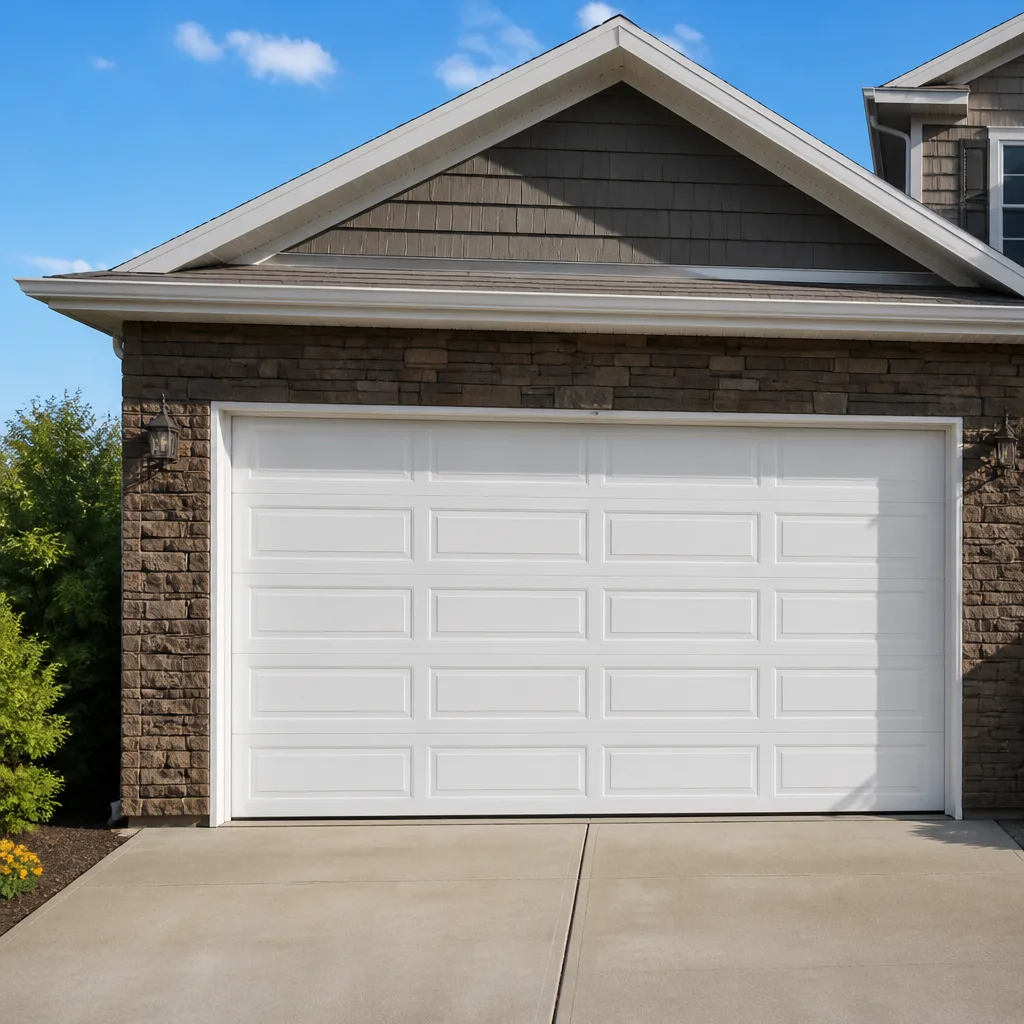 Raised-panel steel
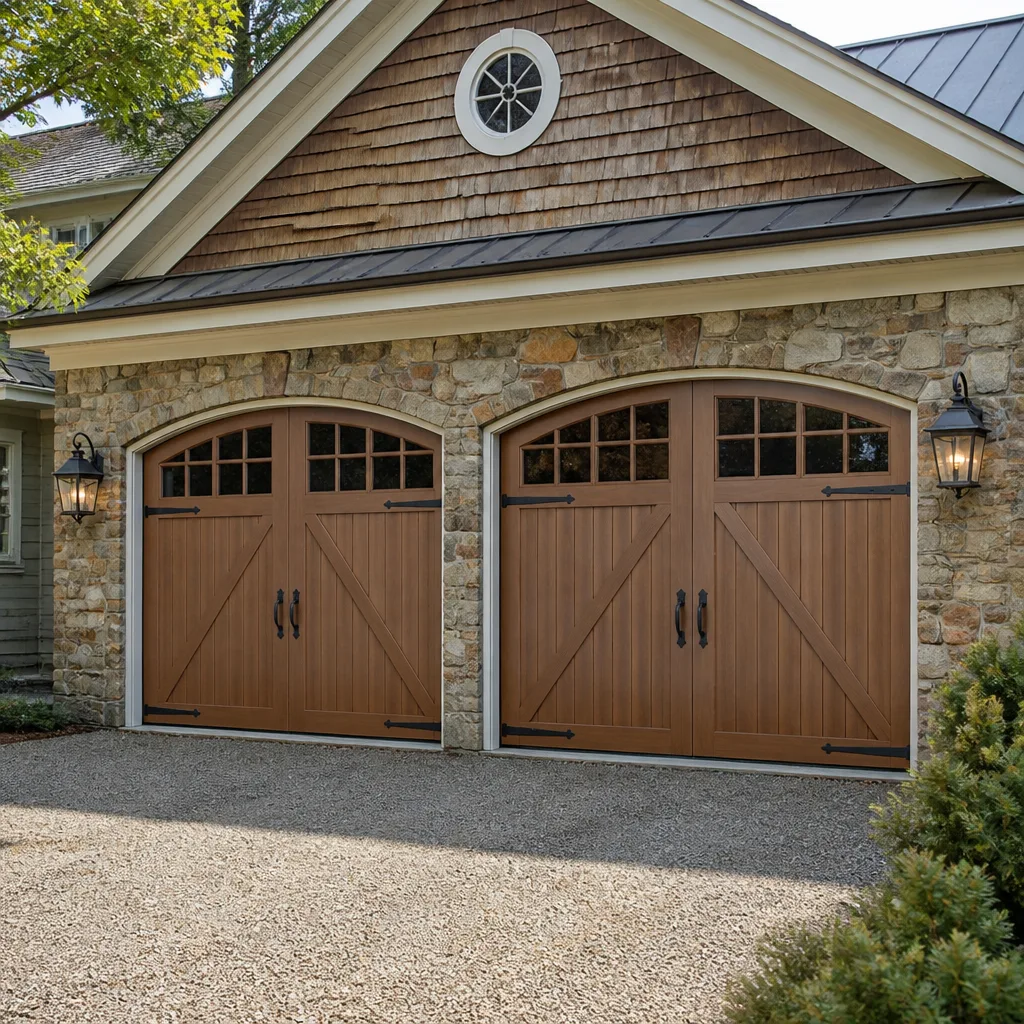 Carriage house
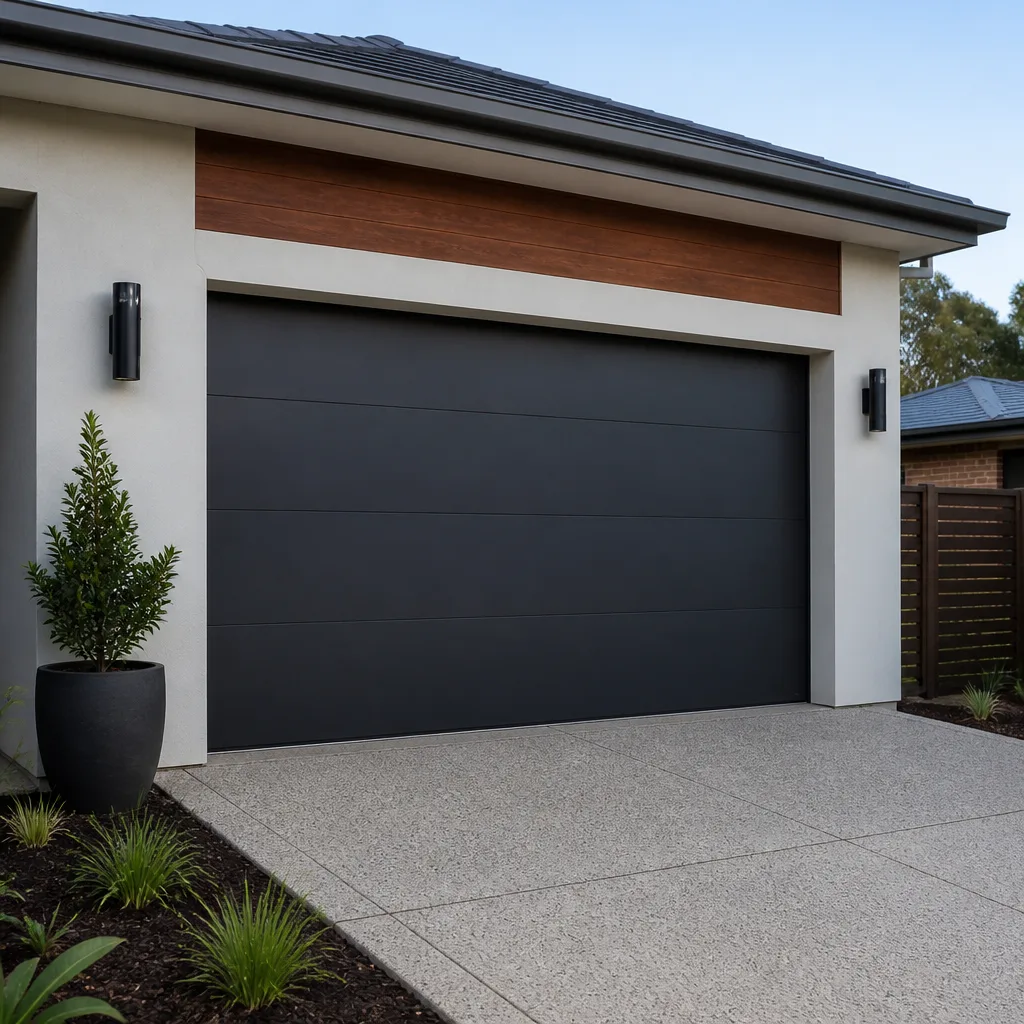 Modern flush
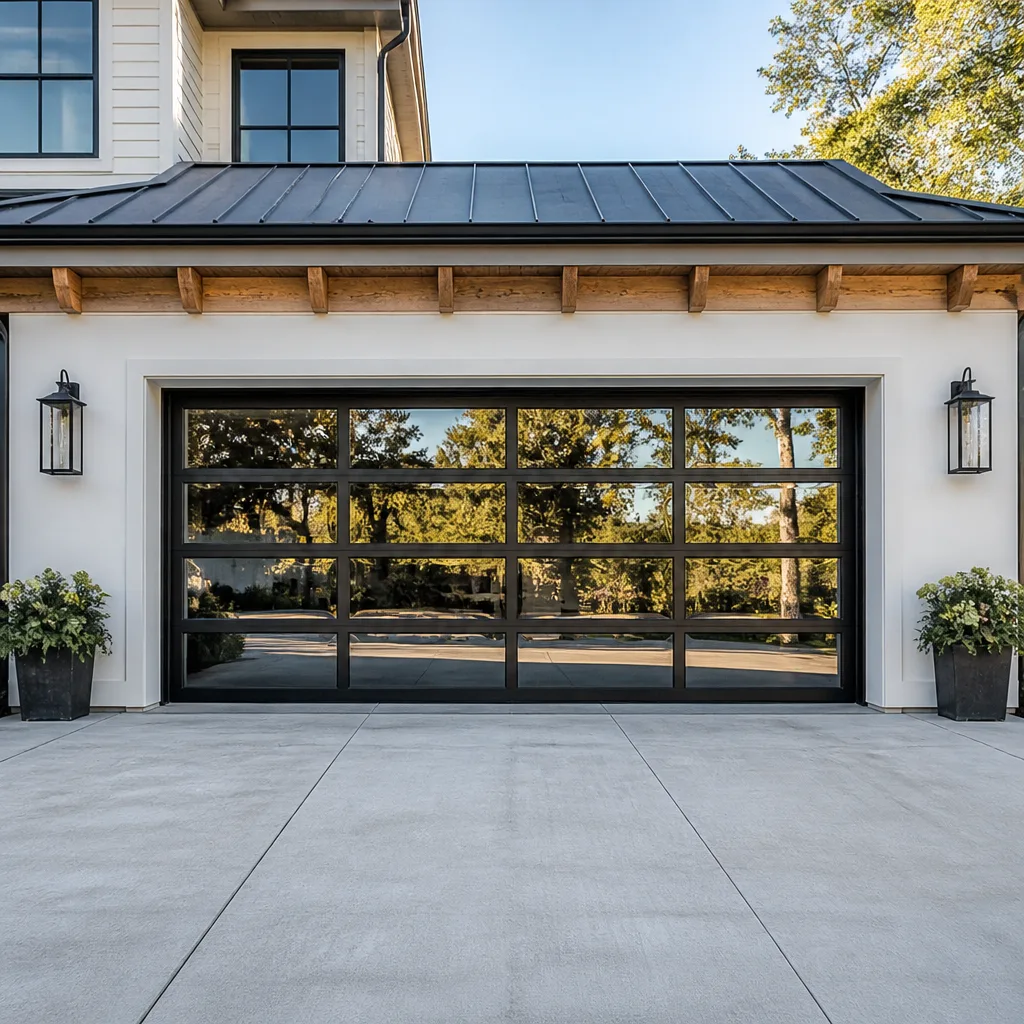 Full-view glass
 LiftMaster openers
 Chamberlain openers
Full 25-point door and opener safety check with every visit - springs, cables, rollers, tracks, and your LiftMaster or Chamberlain opener included
You get a price before we start. It does not change when the pro arrives.
Get your free estimateGarage Door Permits, Codes & Inspections in Aurora, IL: What You Need to Know
Most Aurora homeowners assume a garage door is too small a job to bother the city about. The opposite is closer to the truth. Replacing a door can fall on either side of Aurora’s permit line depending on whether the work changes the structure, the opening, or only the door itself, and the difference rarely shows up until a buyer’s inspector writes it into a report the week before closing. We’ve watched that single line item delay more sales than any cracked panel ever did. This guide walks through how Aurora classifies garage door work, what the Illinois codes require for wind load and insulation, how HOA architectural review sits on top of city permits, and how to get a final inspection signed off so the paperwork holds up years later.
Quick Answer
In Aurora, IL, a like-for-like garage door swap that keeps the same opening size and doesn’t alter the structure is usually treated as maintenance and doesn’t trigger a building permit, while any change to the rough opening, header, structural framing or the addition of a new door where none existed generally does require one. Insulated doors in conditioned garages must satisfy Illinois Energy Conservation Code requirements, doors must meet Illinois Residential Code wind load ratings for the home’s exposure, and HOA architectural review runs separately from city permitting. Always confirm your specific scope with the City of Aurora’s building department before work begins, and keep every inspection document for resale disclosure.
Styles & brands we work with
- Raised-panel steel
- Carriage house
- Modern flush
- Full-view glass
- LiftMaster openers
- Chamberlain openers
Table of Contents
- When does a garage door replacement need a permit in Aurora, IL?
- What does the Illinois Energy Conservation Code require for garage doors?
- Wind load ratings under Illinois Residential Code
- How HOA architectural review interacts with city code
- How to request a final inspection and sign-off
- Why the inspection record matters at resale
- Do openers and smart systems need permits?
- Common mistakes to avoid
- Frequently asked questions
When does a garage door replacement need a permit in Aurora, IL?
Aurora draws the line between maintenance and construction based on what physically changes. The city’s building department is the authority on any single address, but the general framework is consistent: if you are replacing a door in the same opening with the same dimensions and no structural change, most jurisdictions call that maintenance. If you are enlarging the opening, changing the header, adding a door to a wall that had none, or altering the framing to accommodate a different track system, that’s construction work and typically requires a building permit.
Here’s the working test we use when a homeowner in Aurora asks which side of the line they’re on:
- Opening dimensions unchanged? Same width, same height, same sill and header location. If yes, you’re likely in maintenance territory.
- Structural members untouched? No cutting of the header, no new framing for tracks, no changes to the wall opening. If yes, maintenance.
- Door count unchanged? Replacing one door with one door is different from adding a second opening.
- Electrical work involved? Moving an outlet for a new opener, adding a circuit, or relocating a photo-eye wire can pull in a separate electrical permit even if the door itself doesn’t need one.
- Garage door is being added to a new structure? That’s part of the larger building permit for the structure, not a standalone door permit.
If you answer “no” to the first three, call the City of Aurora’s building department and describe the scope plainly: opening size, door count, and whether framing changes. Their answer governs, not ours. What we will say is that a lot of Aurora homeowners who assume “no permit needed” turn out to be replacing a door in an opening that was itself non-conforming, and that’s a different conversation. If you’re not sure whether your door or opener needs a look before you start, our garage door repair team can assess the opening and hardware and tell you what’s been altered from the original build.
What does the Illinois Energy Conservation Code require for garage doors?
Illinois adopts energy code provisions that apply to the building envelope, and a garage door that separates a conditioned space from unconditioned space counts as part of that envelope. In plain terms: if your garage is heated, cooled, or otherwise treated as conditioned living space, the door between the garage and the outside, and the wall between the garage and the house, both factor into energy compliance. If the garage is unconditioned (which is typical in Aurora’s older neighborhoods like the near-east side and Pigeon Hill), the exterior door is still part of the envelope but the requirements differ.
How inspectors actually verify compliance is less mysterious than it sounds. They don’t watch a door being installed. What they check is the manufacturer’s specification sheet and the door label, which state the door’s insulation and thermal performance characteristics. That’s why the label on the door matters as much as the door itself.
- Keep the spec sheet. Any permitted door installation should have the manufacturer’s performance documentation on file with the permit application or available to the inspector.
- Insulated doors are rated by R-value. The higher the R-value, the better the door resists heat transfer, and a garage that shares a wall with a bedroom or living space benefits from an insulated model regardless of code minimums.
- Door construction affects compliance. Steel-back insulated doors, polyurethane-core doors and polystyrene-core doors perform differently, and the difference shows up on the performance label.
- Air sealing is part of the envelope. A properly sealed perimeter, bottom weatherstrip, and threshold all get looked at when a garage is part of the conditioned envelope.
Brands we work with most in Aurora, including Clopay and Amarr, publish performance documentation for their full residential line, which makes the compliance conversation straightforward once you know which door you’re installing. We don’t interpret energy code for you as a legal opinion; we tell you what documentation comes with the door and let the inspector’s review stand on its own. Our Garage Door Repair Aurora Pros team can pull spec sheets for any door we install.
Wind load ratings under Illinois Residential Code
Illinois Residential Code incorporates wind load requirements for exterior components, and garage doors are exterior components. Aurora’s exposure category depends on the home’s location and surrounding terrain, and the door specification has to meet or exceed the wind pressure rating for that category. For most residential installations in Aurora, a standard-rated door satisfies the requirement. But “most” isn’t “all,” and an installer who skips the wind load check is leaving the door exposed to a compliance gap.
What actually satisfies wind load:
- Door design pressure rating. Every residential garage door has a published wind load rating expressed in pounds per square foot. The door’s rating must meet or exceed what the code requires for the specific home.
- Reinforcement struts. Some doors require horizontal reinforcement struts to meet higher ratings, and struts change the door’s weight, which changes the spring specification.
- Track and anchor specs. Wind load isn’t only the door. Track gauge, jamb brackets, and anchor type all contribute to whether the installation holds under design pressure.
- Manufacturer installation instructions. Wind load ratings are conditional on installation per the manufacturer’s published instructions. Deviating from those instructions can void the rating.
Where homeowners get talked into an upsell is when an installer presents a higher wind rating as a “must-have upgrade.” In most Aurora residential applications it isn’t. What matters is that the door rating meets the code requirement for the home’s exposure and that the installation follows the manufacturer’s instructions. If your existing door already meets that, you don’t need a wind-load upgrade to pass inspection. We can look at your current rating and tell you where you stand before you commit to a replacement, and if you’re booking a new door, our garage door opener repair team can confirm the opener paired with the new door is compatible with its rated weight.
How HOA architectural review interacts with city code
In Aurora, several of the larger subdivisions and planned communities operate their own architectural review boards, and they run separately from city permitting. The city issues the permit based on code compliance. The HOA issues or denies approval based on the community’s architectural standards. You need both, and neither overrides the other. A door that passes city inspection and gets installed without HOA approval can still trigger a violation notice from the association, and it can be more expensive to remedy because the door is already in place.
What HOA review typically asks for:
- Material and color specification. Many associations restrict door color to match the home’s existing palette, and some require a specific panel style. Get the door model and color approved before ordering.
- Window and hardware details. Window inserts, decorative hardware, and glass options often need to be listed in the application.
- Manufacturer and model number. Submitting the spec sheet with the application speeds up review and prevents back-and-forth.
- Contractor information. Some associations require the installing contractor’s insurance and licensing documentation with the application.
- Timeline of the work. Associations often require notice of installation dates so neighbors aren’t surprised.
Practically, the HOA application goes in first. Standard review timelines are typically longer than the city’s, so submitting to the HOA before filing the permit avoids a situation where the permit is in hand and the HOA is still reviewing. Keep both approvals in a single folder with the rest of the closing file. If you’re working with garage door spring repair technicians on a door that’s already installed and non-compliant with an HOA standard, the HOA still governs the amendment process, and the door change may or may not trigger city permitting depending on scope.
How to request a final inspection and sign-off
If a permit is issued, the final inspection is the step that closes it out, and skipping it leaves the permit open on the city record indefinitely. That open permit is what shows up on a title search years later. Requesting the inspection is straightforward, and the process in Aurora follows the standard municipal pattern:
- Confirm the work is complete. Door installed, hardware set, opener calibrated if applicable, all permits-scope work done.
- Check your permit for the inspection request method. Aurora’s building department publishes its process, and many request systems have moved online. Your permit documentation will name the correct channel.
- Have the spec sheet and any manufacturer documentation ready. The inspector may ask to see door performance documentation, wind load rating, and installation instructions adherence.
- Confirm access. The inspector needs to see the door operate from inside the garage. Clear the area in front of the door and remove anything blocking the tracks or the path of the door.
- Attend if required. Some jurisdictions require an adult on site. Check your permit documentation.
- Get the sign-off document. Ask for written confirmation of the passed inspection. Save the permit number and the inspection date.
What inspectors typically check at a final inspection for a garage door: door operation, hardware installation, presence of reinforcement struts if specified, wind load label matching the permit, energy performance label if applicable, and whether the door meets the approved drawings. They don’t usually run cycle counts or inspect spring condition. Their job is confirming the installation matches what was permitted. We always plan the door install to land on-site in a state that can pass inspection the same day it’s completed, which saves a return visit and keeps the process moving.
Why the inspection record matters at resale
Illinois sellers complete a residential property disclosure statement, and that document asks whether there are known defects and unpermitted improvements. A garage door replacement isn’t usually something a seller thinks to list, but it is an improvement that touched the building envelope. When a buyer’s inspector sees a door that doesn’t match the home’s original era or style, the next question is always “was this permitted?” And that question is much harder to answer without the paperwork.
What a strong closing file for a garage door replacement includes:
- The permit number and the date it was issued
- The final inspection sign-off document
- The door’s manufacturer spec sheet with wind load and energy performance
- The installer’s invoice with door model and installation date
- HOA architectural approval, if the home is in a community with an association
None of those documents are hard to collect during the job. All of them are painful to reconstruct years later. We’ve seen enough Aurora sales delayed by missing paperwork that we’d rather spend five minutes handing a homeowner a folder at the end of the job than explain to a buyer’s agent over the phone what happened. If your existing door is documented well and just needs service, that’s a different situation; our garage door opener replacement and repair work on LiftMaster and Chamberlain systems can be documented the same way. For a full replacement, we file the paperwork alongside the installer’s completion record.
Do openers and smart systems need permits?
An opener replacement or a smart opener install generally does not need a building permit as long as no new electrical circuit is added and no framing is changed. Replacing a LiftMaster or Chamberlain opener on an existing circuit is considered like-for-like maintenance in most Aurora applications. Where it gets tricky is when the new opener requires a dedicated circuit, a relocated outlet, or a low-voltage wire run that wasn’t there before. That work usually needs to be done by a licensed electrician, and the electrical work may carry its own permit even if the door doesn’t.
Safety elements that inspectors and installers both care about:
- Photo-eye safety sensors. Required on all openers sold in the US since the early 1990s, and their placement and function matter for a final inspection if a permit was pulled.
- Force sensitivity settings. The opener must reverse on contact. This gets tested at inspection.
- Wall-mounted control placement. Typically needs to be at least five feet from the floor and out of reach of children.
- Wire routing. Exposed low-voltage wire runs and stapled wire paths can be flagged by an inspector even when the opener itself isn’t permitted work.
Smart-home-integrated openers like Genie’s connected lines sometimes prompt homeowners to add a second access point or a video doorbell wired through the same area, and each of those additions can pull in different permitting questions. Sort out the questions before the install, not after. We work with all these brands and know the wiring patterns each one uses, which speeds up the conversation with the electrician when one is needed.
Common mistakes to avoid
- Assuming no permit because the door size matches. Size is only one factor. Structural changes, opening changes, and electrical changes each trigger a separate permit consideration even when the door dimension is identical. Call the city and describe all the scope, not just the door.
- Skipping HOA review because the city permit is approved. City approval doesn’t cover HOA architectural standards. A door that passed inspection can still get a violation notice from the association in Aurora’s larger subdivisions, and remedying it after install is costlier than getting approval first.
- Installing an unrated door to save money. Wind load ratings and energy performance documentation aren’t optional in permitted work. An unrated door can fail inspection and restart the process, which costs more than the rated model would have.
- Letting the permit stay open. A final inspection that never gets requested leaves the permit on the record. An open permit on a title search can delay a sale or force a seller into a rushed retroactive approval process.
- Not keeping the sign-off document. The passed inspection is a document, not a phone call. Get it in writing and keep a copy with the rest of the closing file.
- Assuming the installer filed everything. Some installers pull the permit, some leave it to the homeowner. Confirm who is responsible for the permit application, the final inspection request, and the sign-off document before work begins.
- Adding a smart opener without checking the circuit. A new opener that requires a dedicated electrical circuit can trigger an electrical permit even when the door itself doesn’t need one. Ask about electrical scope before assuming opener work is permit-free.
See the difference
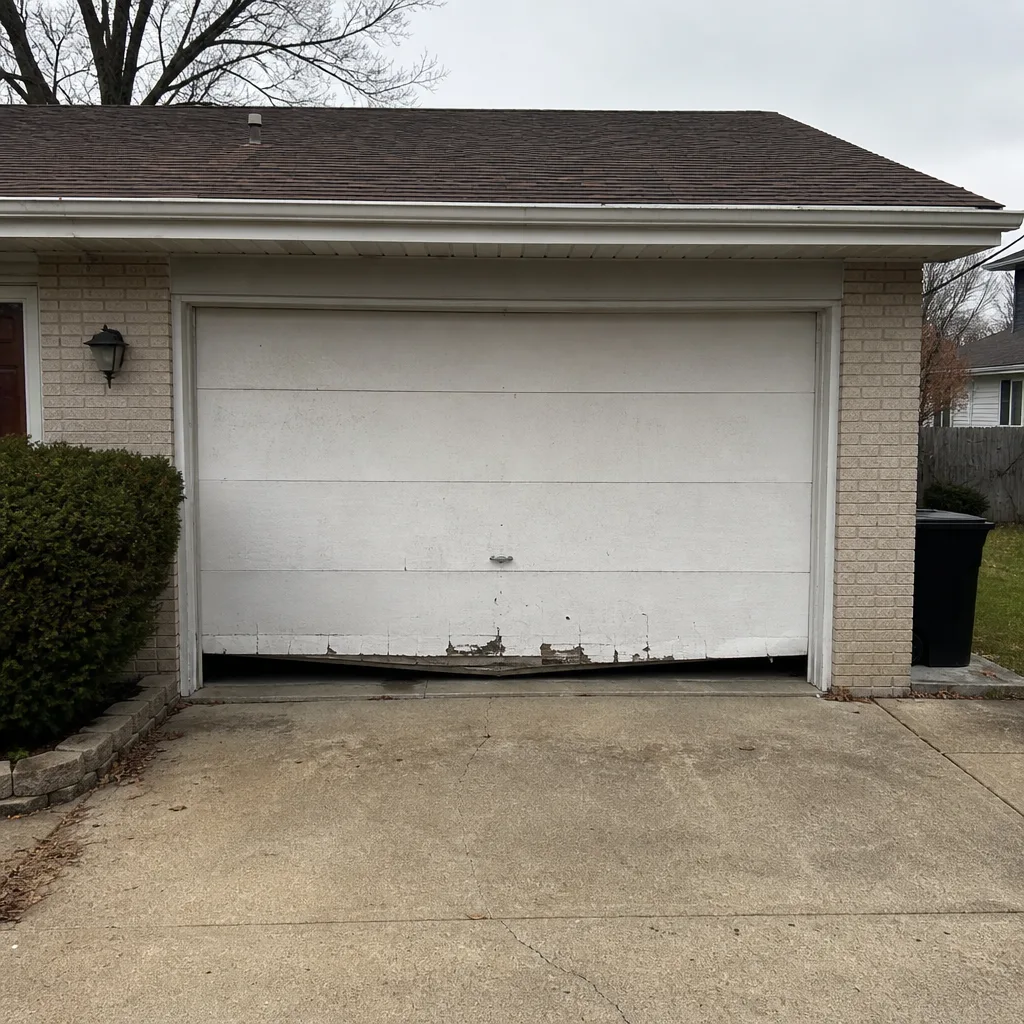 Before
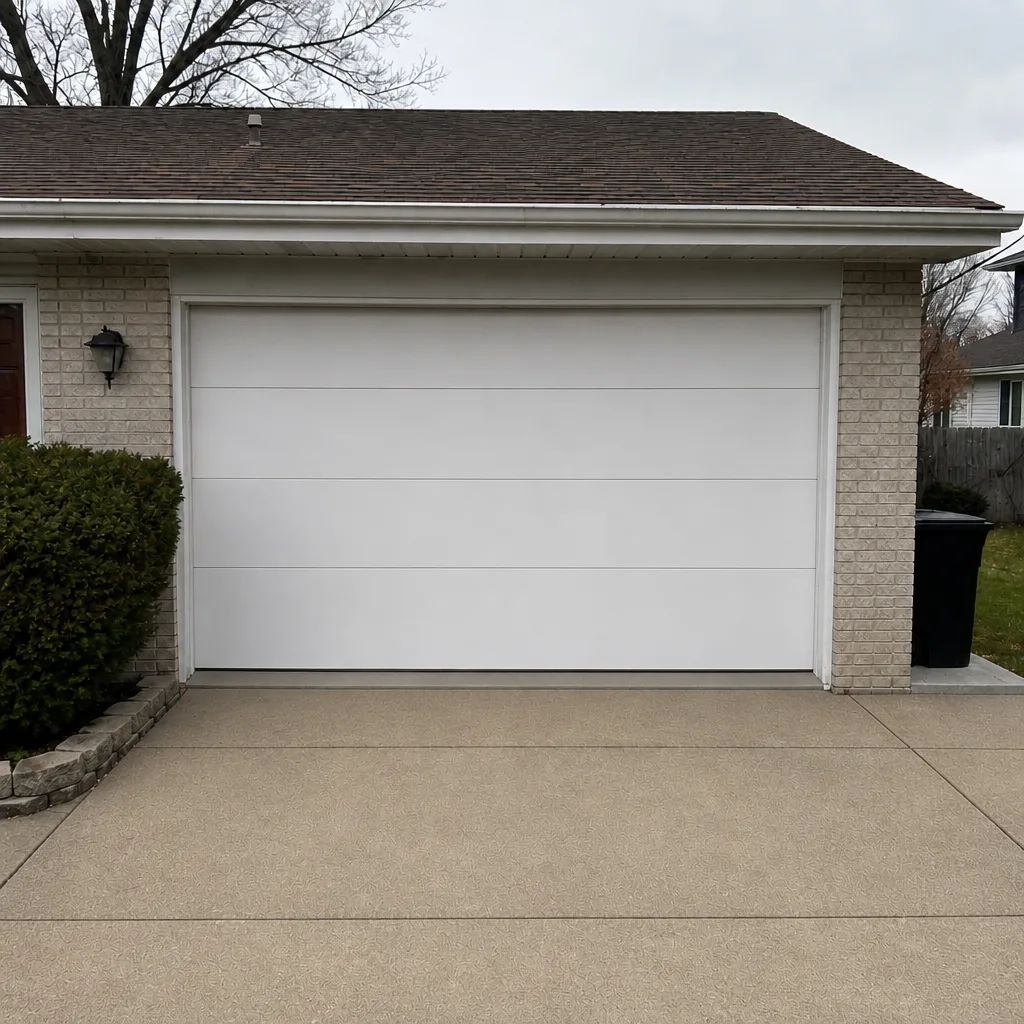 After
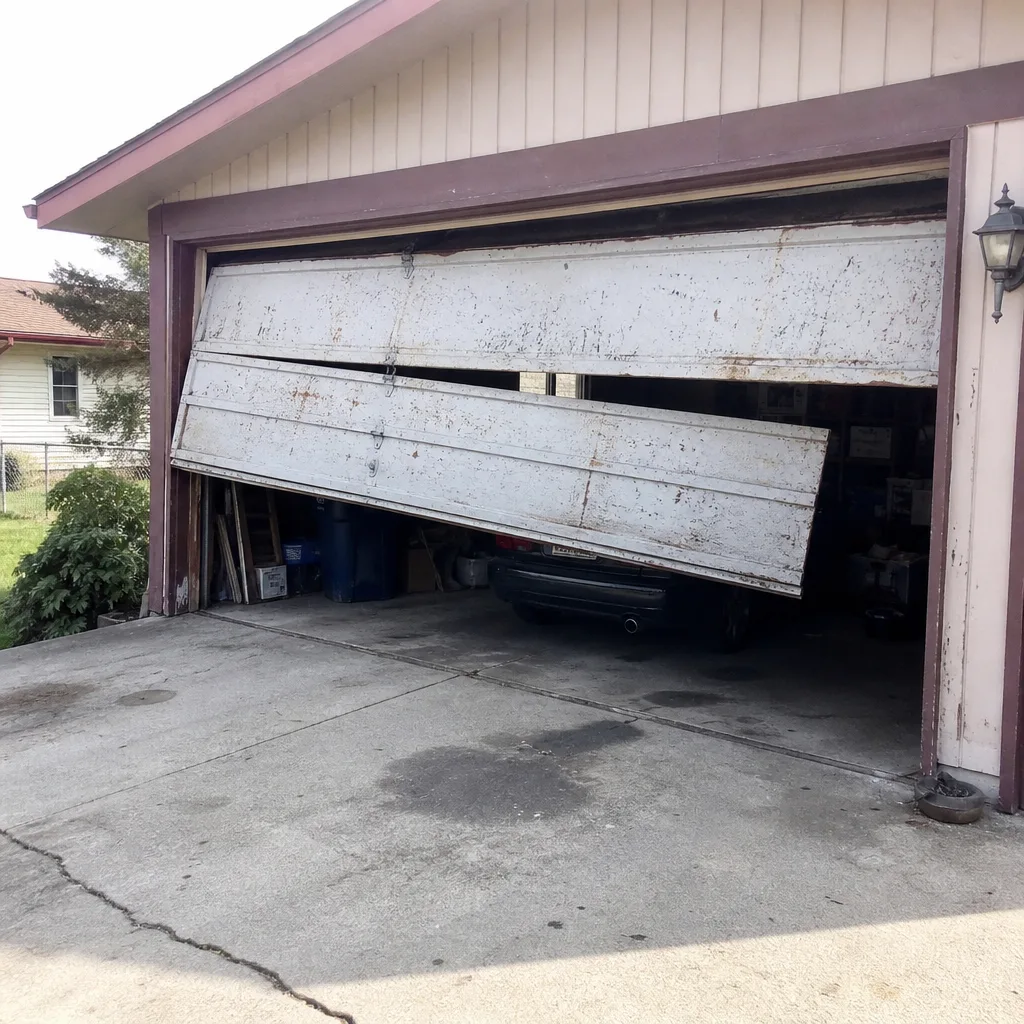 Before
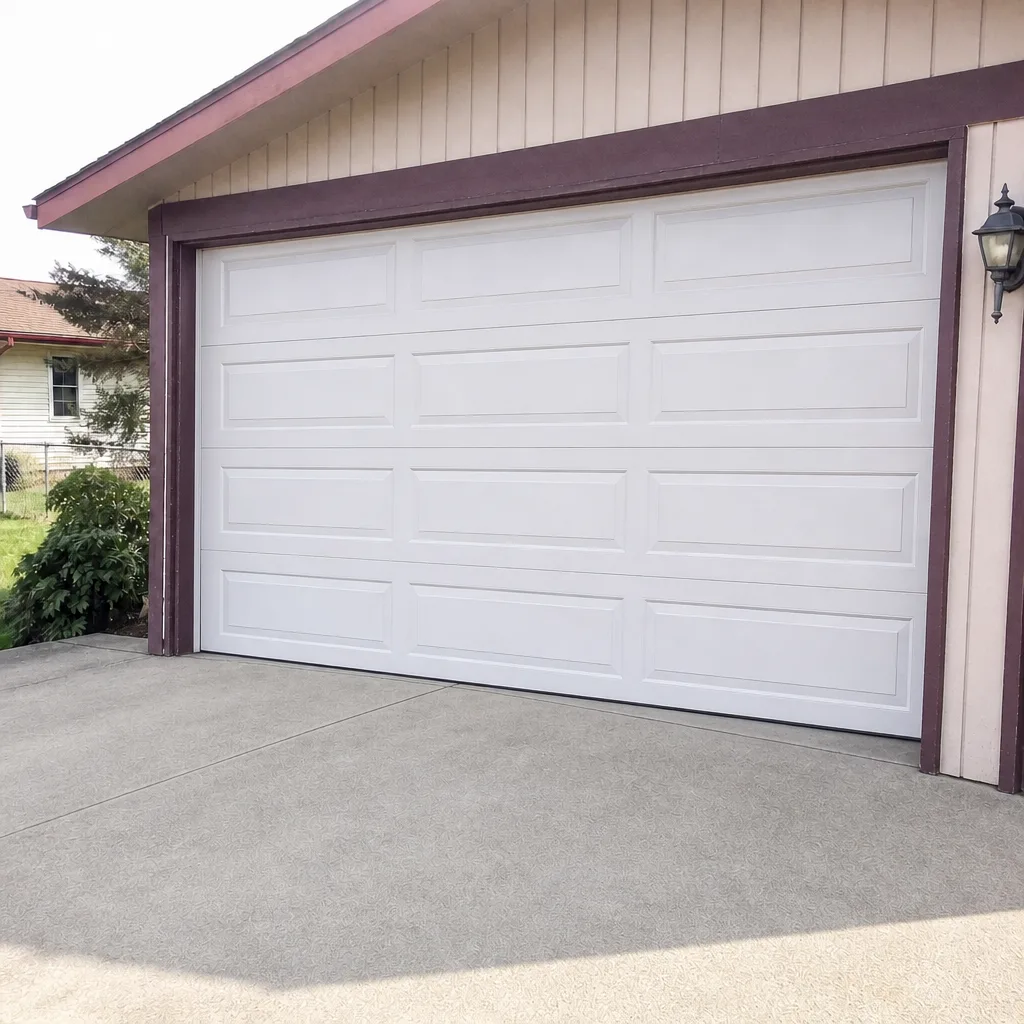 After
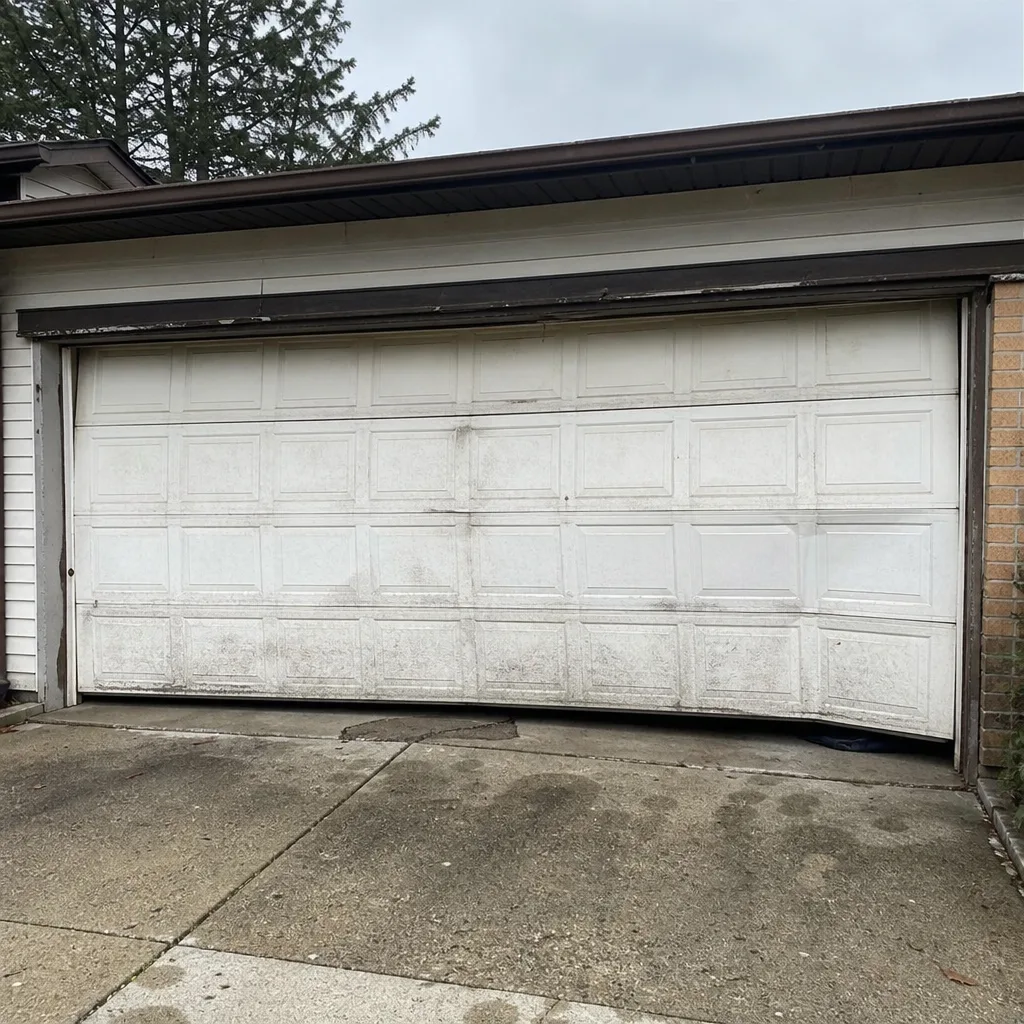 Before
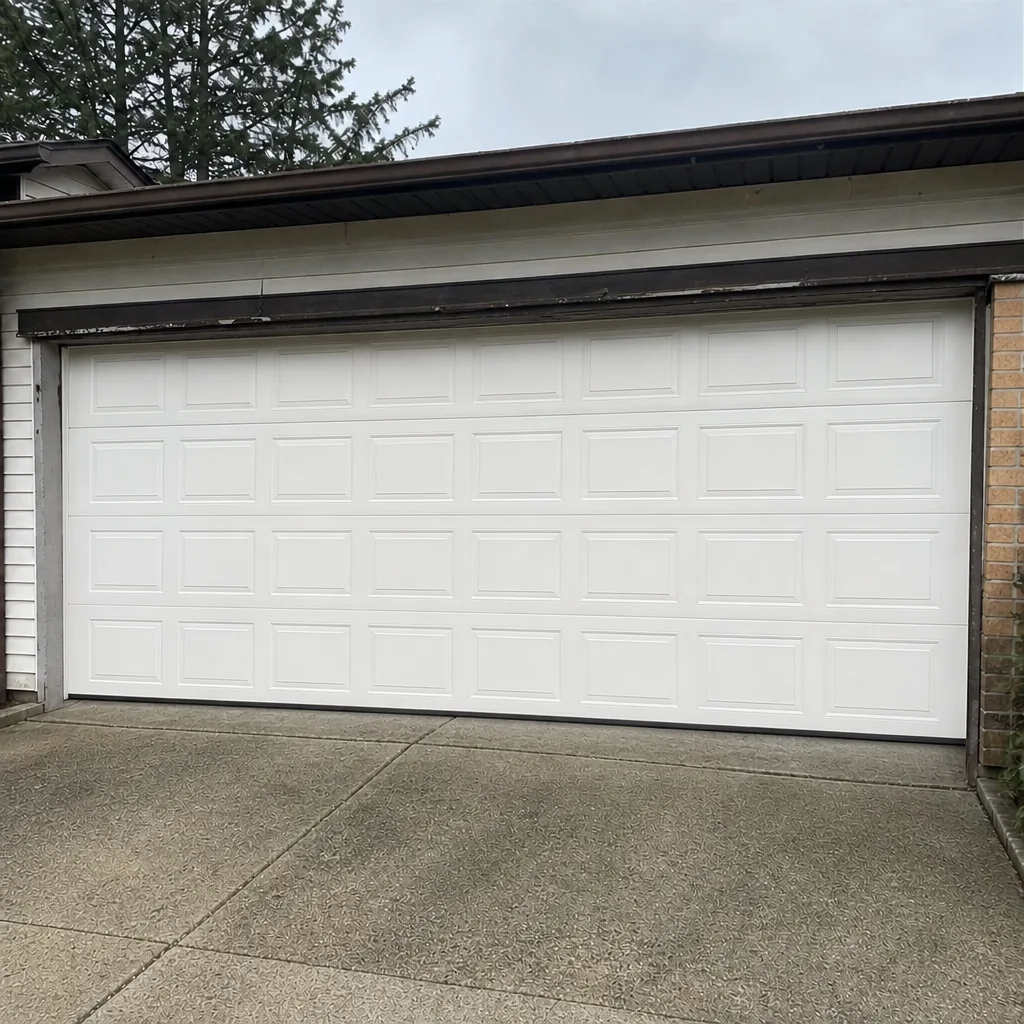 After
When to Call a Professional
There are moments where guessing at code, permitting, or hardware costs more than the call itself. If your door is being replaced and you don’t know whether the scope is like-for-like maintenance or a permitted alteration, that’s a call. If a spring is broken and you’re not sure what tension spec you need for a specific door weight, that’s a call. If the opener has failed and the door needs to be brought back into working order before an inspection, that’s a call. If you need an existing installation assessed against energy code or wind load requirements to see if the door meets the current spec, that’s a call. Our technicians have up to 11 years of experience with LiftMaster, Chamberlain, Genie, Clopay, Amarr, Wayne Dalton, Craftsman, and Raynor equipment, and we bring that familiarity to every Aurora job. Garage Door Repair Aurora Pros offers free estimates in Aurora. Call (855) 337-1088. We answer 24/7. Fast dispatch from 7am to 7pm, Sunday through Friday.
Frequently Asked Questions
Not always. A like-for-like replacement that keeps the same opening size and doesn’t touch structural framing is typically classified as maintenance and doesn’t trigger a building permit, while any change to the rough opening, header, framing, or door count generally does require one. Confirm your specific scope with the City of Aurora’s building department before work begins so the classification is on record from the authority that enforces it. Call (855) 337-1088 if you want a technician to assess the scope and tell you what’s been altered from the original build.
The door must meet or exceed the wind load requirement that applies to the home’s exposure category under Illinois Residential Code, which is published as a design pressure on the door’s rating label. Most Aurora residential doors meet this with a standard-rated model, and reinforcement struts are added only when the requirement is higher. The specific rating for your address depends on the home’s exposure, so ask the building department during the permit conversation and match the door spec sheet to that number. If you want a second look at whether your current door meets it, call (855) 337-1088.
Yes, if your home is in a community with an architectural review board. HOA approval runs separately from the city permit and requires the door model, color, and hardware details to be submitted for review before installation. City code compliance does not satisfy the HOA’s architectural standards, and a door installed without HOA approval can get a violation notice after the fact. Submit the HOA application first because review timelines are typically longer than the city’s permit process. Call (855) 337-1088 for help pulling the spec sheet your application will need.
Permit fees in Aurora vary by the scope of work and are set by the city, not by the installer. The city’s building department publishes its fee schedule and will quote you the specific fee once your permit scope is confirmed. We don’t quote the city’s fee, and we don’t inflate our estimate to cover it. What we do quote is the installation work itself, in writing, before any work starts. Call (855) 337-1088 for a free estimate on the door work.
It can if the paperwork is incomplete. A door that doesn’t match the home’s original era can prompt a buyer’s inspector to ask whether it was permitted, and the answer needs documentation, not just memory. Keep the permit, the final inspection sign-off, the door’s spec sheet, and the installer’s invoice together so a resale conversation stays simple. If you’re missing that documentation now, call (855) 337-1088 and we can discuss what a retrospective assessment looks like.
It depends on whether the replacement is like-for-like. An insulated door that replaces a door of the same size in the same opening is usually treated the same way as any other replacement, but the door must meet the energy performance requirements that apply when the garage is conditioned. The inspector verifies compliance against the door’s spec sheet and label, which is why having the manufacturer documentation matters. Confirm the specific classification with Aurora’s building department, and call (855) 337-1088 if you want help identifying which doors in the current Clopay or Amarr lines carry the performance documentation your job needs.
The Bottom Line
Aurora’s garage door permit question comes down to scope, not size. Like-for-like replacement in the same opening is usually maintenance; structural, opening, or electrical changes usually require a permit; HOA review runs separately and can outlast the city’s process. Insulated doors in conditioned garages have to meet Illinois Energy Conservation Code requirements, doors have to meet Illinois Residential Code wind load ratings, and the final inspection sign-off is worth keeping because it surfaces at resale. We work with all eight major garage door brands and understand how each one documents its ratings and specifications. The single most useful habit is to confirm the scope with Aurora’s building department before the door gets ordered, and keep every document from the process.
Written by the team at Garage Door Repair Aurora Pros.